Kingdom
Advanced Regionalisation: Meeting of the Commission for Monitoring Implementation in Rabat
During this meeting, a progress briefing was presented on the state of implementation of the roadmap for advanced regionalisation, highlighting the broad-based consultative process that accompanied the development of the new generation of integrated territorial development programmes, according to a statement from the Ministry.

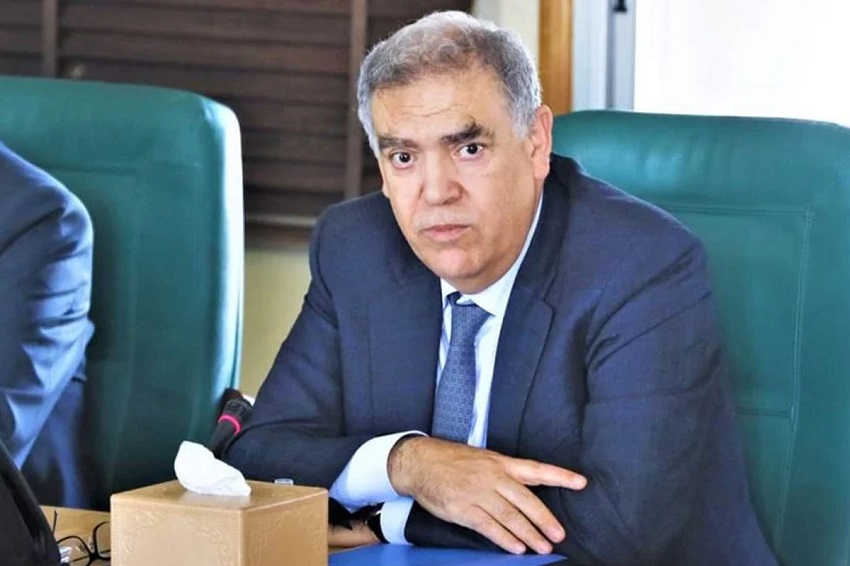
As part of the continued implementation of the High Royal Guidelines issued by the Council of Ministers held on 9 April 2026, under the effective chairmanship of His Majesty King Mohammed VI, may God assist Him, a meeting of the Commission for Monitoring the Implementation of Advanced Regionalisation was held on Wednesday at the headquarters of the Ministry of the Interior in Rabat, with the participation of the ministers concerned, regional walis, and presidents of regional councils.
During this meeting, a progress report was presented on the state of implementation of the roadmap for advanced regionalisation. The presentation highlighted the broad consultative momentum that accompanied the development of the new generation of integrated territorial development programmes, according to a statement from the Ministry.
This dynamic notably involved the organisation of consultative meetings and listening sessions across all prefectures and provinces, with the participation of more than 86,000 people, foremost among them citizens, alongside elected officials, academics, and representatives of public administrations.
Participants stressed that this process—based on an open, participatory approach involving the various stakeholders—made it possible to lay the foundations for a new generation of integrated territorial development programmes focused on addressing priority issues, particularly those related to employment, education, health, water resource management, and urban upgrading.
In this context, it was underlined that the success of these new-generation development programmes requires accelerating the pace of implementation of advanced regionalisation, in order to meet the legitimate aspirations of citizens and achieve harmonious and balanced development across all regions of the Kingdom.
It was also recalled that the draft amendment to the Organic Law on Regions, approved during the most recent Council of Ministers, is currently under review by the legislative institution.
This draft is structured around three main pillars: clarifying the competences of regions, establishing financing mechanisms and implementing projects linked to the new-generation development programmes, as well as strengthening the financial resources of regions.
As part of the roadmap for advanced regionalisation, these proposed amendments—aligned with the recommendations of the Second National Conference on Regionalisation held in Tangier in December 2024—are expected in particular to help clarify regional competences and ensure their effective implementation on the ground, strengthen participatory democracy mechanisms at the regional level, and firmly entrench the principle of accountability and responsibility.
They also aim to enhance the attractiveness of territories in order to attract productive investment, and to strengthen their resilience to crises as well as their capacity to adapt to current transformations and future challenges.
Finally, the meeting highlighted a number of challenges still to be addressed, notably the need to strengthen and further develop innovative and sustainable financing mechanisms for regions, as well as the effective and concrete implementation of the provisions of the National Charter for Administrative Deconcentration, in order to achieve the intended objectives of the advanced regionalisation reform, the statement concludes.