Influences
CAN 2025: The FNTT deploys an integrated system for supporter mobility
The entire tourist transport fleet has been mobilized and upgraded for this continental event. The available fleet is now capable of meeting the needs of the participating teams, official delegations, professionals, and supporters, under conditions that meet the required standards.

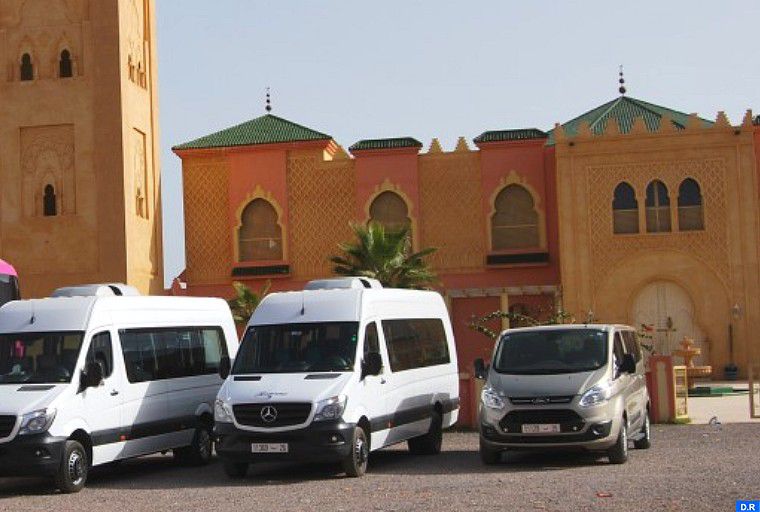
The National Federation of Tourist Transport (FNTT) has deployed an integrated system aimed at ensuring the mobility, safety, and reception of delegations and supporters on the occasion of the Africa Cup of Nations (CAN)–Morocco 2025, the Federation’s president, Mohamed Bamansour, emphasized on Wednesday in Marrakech.
“The FNTT initiated, well ahead of the continental deadline, a sustained consultation process with sector professionals, following discussions and coordination with the Ministry of Tourism, Handicrafts and the Social and Solidarity Economy, the National Tourism Confederation (CNT), as well as the Ministry of Transport and Logistics, within a logic of anticipation and optimal preparation,” Mr. Bamansour noted in an interview granted to MAP.
While stressing that the entire tourist transport fleet has been mobilized and upgraded for this continental event, he specified that the available fleet is now capable of meeting the needs of the participating teams, official delegations, professionals, and supporters, under conditions that meet the required standards.
He also indicated that a specific system has been put in place for drivers and managers of tourist transport companies, in order to ensure a permanent communication channel and guarantee strict compliance with safety instructions, particularly during travel in areas experiencing high concentrations of supporters, as well as to avoid certain road axes if necessary.
“Within the same framework, information tools have been developed for clients and foreign supporters, aimed at guiding them toward the various tourist destinations of the Kingdom, particularly during breaks between matches, in order to encourage the discovery of Moroccan cities and regions,” he said.
In this regard, he pointed out that cities such as Rabat, which is hosting several CAN matches, benefit from a strategic geographical position, close to major national tourist hubs such as Fez, Casablanca, and Marrakech, thus offering broad opportunities for mobility and territorial promotion.
Mr. Bamansour also highlighted the quality of national road infrastructure, notably highways and the high-speed train, considered a major asset for the smooth flow of travel and an important lever for promoting the destination Morocco, noting that “visitors are expected to become true ambassadors of the Kingdom upon their return to their countries.”
He also praised the efforts made by members of the Local Organizing Committee of the CAN, both in terms of upgrading stadiums and strengthening hotel capacity, affirming that tourist transport professionals are fully committed to supporting this dynamic and contributing to the success of this continental event, while consolidating the image of a hospitable, professional Morocco rich in national expertise.