Kingdom
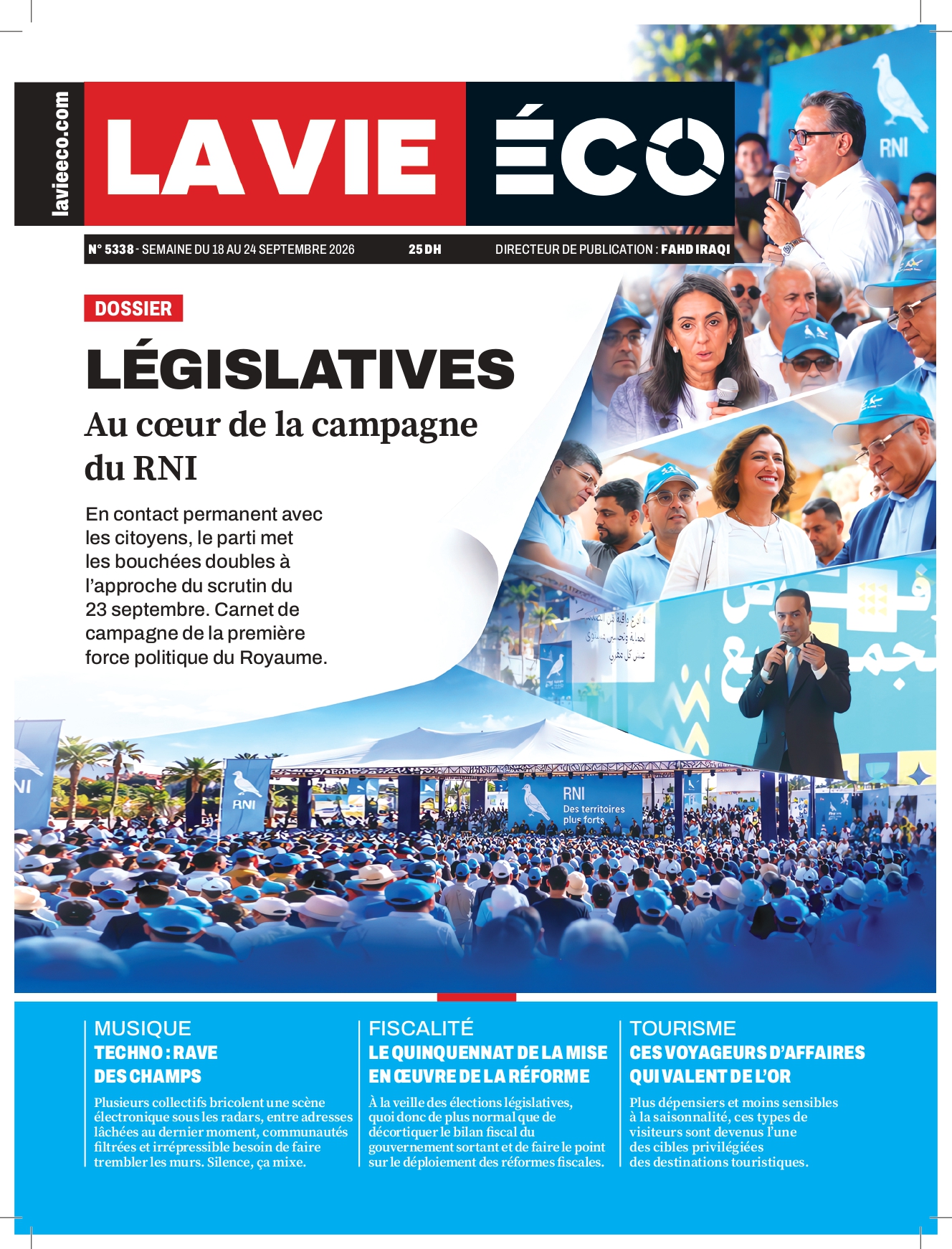
1986: Battle over lead on the domestic market
Forty years ago, Morocco was importing lead even though it was exporting more than 50,000 tons of it annually. The Kingdom was the leading producer in Africa and ranked ninth worldwide.


The economic balance of a country also depends on international factors. Instability is above all global, whether monetary… or energy-related. Oil prices, for example, collapse with the “13” and fluctuate according to the mood of speculation. And even if the price of a barrel is paid at $5 on certain markets, Morocco continues to pay $17 for it, due to contractual obligations. But it is not only oil. The prices of several raw materials are collapsing. Some rise, like coffee, while others fall, like lead.
Take, for instance, the drop in global lead prices, which has caused a conflict between miners, lead processors, and domestic users. But this situation is also a consequence of the decline in national lead production. There are therefore two reasons behind this conflict, one external and the other internal. First of all, it should be recalled that Morocco is probably the leading producer of lead in Africa and the ninth in the world.
Currently, production is around 120,000 tons of lead concentrate per year, whereas it was 160,000 tons the previous year. This 25% decrease is simply the result of the closure of the Zaïda mine, located near Midelt. This closure itself was driven by the drop in global lead prices and the relatively low lead content of this mine.
The cause-and-effect relationship between the fall in global prices and the closure of the Zaïda mine (considered one of the most important mines in Morocco) may be misunderstood. Yet everywhere, this explanation—though not very clear—can be valid. The price of lead is set by the London Metal Exchange (…).
When the price falls, the mine’s revenue automatically decreases.
On the other side of revenue are the mine’s costs (operation, wages, energy, transport, consumables, depreciation, etc.). And if costs increase, as is currently the case in all sectors, while at the same time the value of lead decreases, the mine’s operation risks becoming unprofitable when costs exceed revenue. A clear and simple line of reasoning for all managers.
It is this very scenario that forced the Zaïda mine to close in 1984. (…).
Returning to our starting point and to the conflict between local industrial users of lead and the operators and processors of the metal, it is necessary to recall certain figures based on last year’s production.
Out of the 160,000 tons of lead concentrate produced last year, 80,000 tons were processed locally at the Oued El Heimer smelter in the Oujda region, the remainder having been exported in concentrate form.
Annual local processing is therefore between 80,000 and 100,000 tons of lead concentrate, representing 50,000 to 60,000 tons of lead, since one ton of lead concentrate—which is a mixture—contains about 65 to 70% pure lead, the rest being by-products (silver, copper…) and waste with no commercial value.
Most of this refined lead is exported, and 3,000 to 5,000 tons of the metal are used locally, mainly by battery manufacturers.
Until recently, the local sales from Oued El Heimer (which is none other than the Zellidja smelting company) were carried out under contracts with the relevant industrial firms, based on world prices increased by 50%, which represented the profit margin plus a quality premium granted by the administration to the smelter.
This markup has troubled lead users, who for the past two years have continually drawn the administration’s attention to the high price of the locally produced metal.
With the wave of liberalization and the “protection” of national industry, the Ministry of Economic Affairs has finally decided to intervene with the Zellidja smelter to renegotiate the 50% markup on world metal prices and the rate applied in 1975 (…).