Kingdom
Volunteers: Morocco mobilizes its youth to welcome Africa in celebration
Moroccan youth, enthusiastic retirees, African students…, some 15,000 volunteers underwent express training at 70 centers across the Kingdom. Their mission: to welcome supporters in 6 cities and 9 stadiums. Beyond the 4,000 “core” volunteers recruited by CAF, this benevolent army embodies a deliberate soft power: Moroccan hospitality, pan-African exchanges, and accelerated preparation for the 2030 World Cup. Football unites, youth shines.

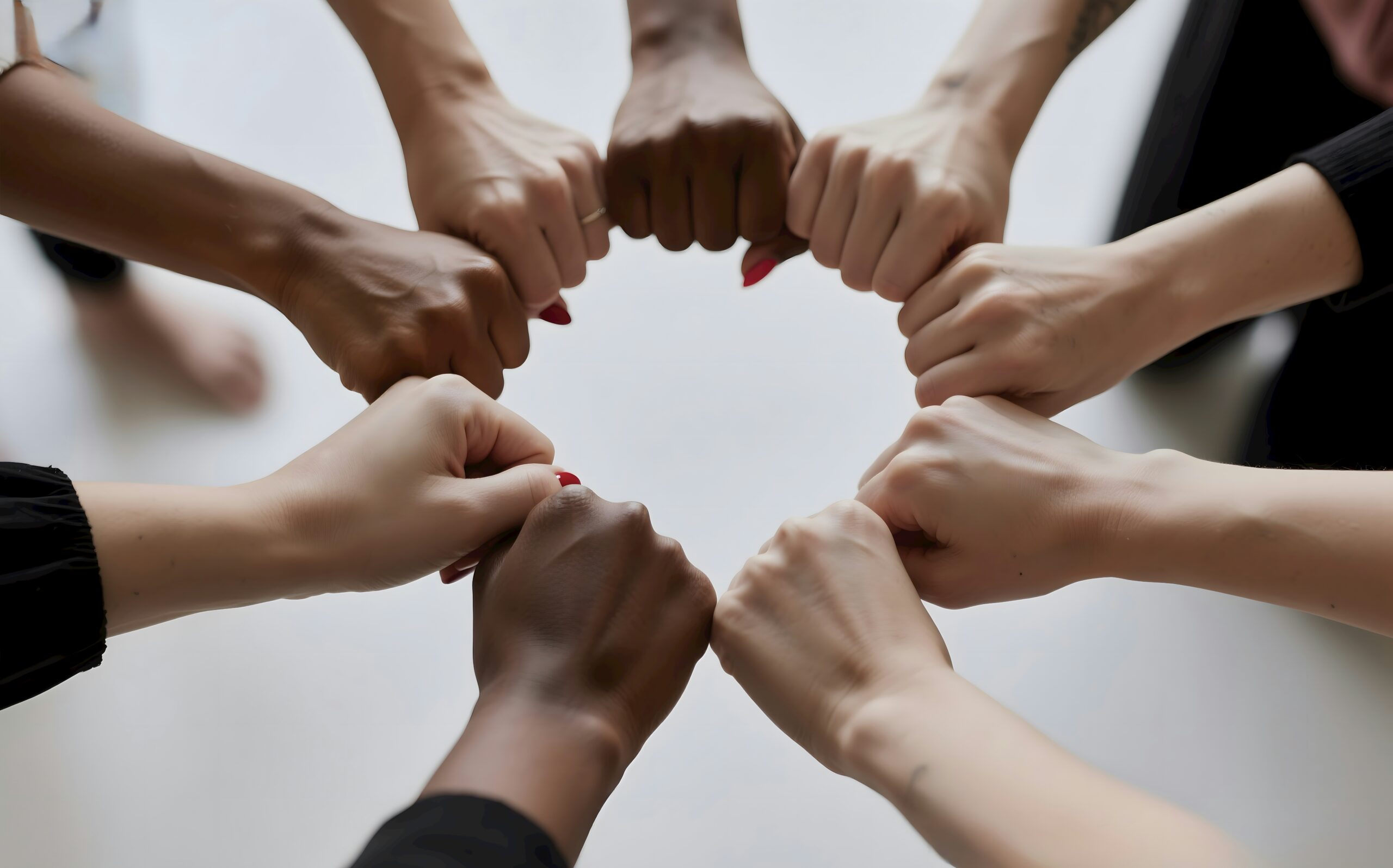
Youth, retired professionals turned volunteers, and even African students residing in Morocco fill training rooms, notebooks in hand, absorbing lessons on multicultural hospitality and managing jubilant crowds.
These 15,000 volunteers, from all corners of the Kingdom, are the first actors in an event set to be epic: from December 21, 2025, to January 18, 2026, 6 cities (Casablanca, Rabat, Tangier, Marrakech, Fez, Agadir) and 9 stadiums will pulse to the rhythm of 24 teams, 52 matches, and hundreds of thousands of supporters from across the continent.
This massive program, launched by the Confederation of African Football (CAF) in tandem with the Local Organizing Committee (COL) and the Office for Vocational Training and Labor Promotion (OFPPT), is not just cold logistics.
It is a declaration of love for Moroccan hospitality, boosted by professional training that transforms novices into ambassadors. Among them, over a thousand African students residing in Morocco, selected for their linguistic and cultural diversity.
These sessions, delivered in over 70 OFPPT centers by 150 qualified trainers, last two intense days: guest reception, stadium orientation, intercultural communication, first aid, logistical coordination.
“We are taught to smile in Wolof or Swahili, to defuse a dispute between delighted or furious fans,” confides a retired civil servant who traded his peaceful retirement for this “national pride.” For him, these workshops reveal the backstage of a country that, after the 2022 World Cup semi-final, dreams of shining as an organizer.
Shadow Soldiers
At the heart of this fervor, a distinction is essential. The official CAF program, open from September 17 to October 8 on volunteers.cafonline.com, selected 4,000 “core” volunteers for sensitive missions: media accreditation, VIP hospitality, accompanying supporters in fan zones and shuttles. Strict criteria: minimum 18 years old, proficiency in English or French, full availability during the tournament. But Morocco, pragmatic, cast a wider net.
The 15,000 trained (4,500 each in Casablanca and Rabat, 1,800 in Tangier and Marrakech, 1,275 in Fez, 1,125 in Agadir) will form a human safety net, covering public spaces, buses, and tourist guides.
“It’s a benevolent army, not a militia,” jokes a trainer, emphasizing “soft power”: showcasing gastronomy, craftsmanship, and centuries-old heritage to “convey a positive image” to visitors from 54 nations.
This mobilization fits into a broader vision, steered by the Morocco 2030 Foundation, created last August, to chain the AFCON and the 2030 World Cup (co-hosted with Spain and Portugal).
Its goal? A reserve of 30,000 volunteers, reusable for both events. “These young people must prioritize emergencies and embody African diversity. No room for arrogance, only empathy,” hammers a trainer.
“Identify, List, and Train”
“I’ve dreamed of this for a long time, the FRMF and AFCON have done it!”, exults Ahmed Ghayet, columnist and civil society activist. A tireless advocate for youth inclusion—often urging them to transform these major sporting events into opportunities—he had been campaigning for months to “identify, list, and train these thousands of stadium staff, mediators, first responders, and guides.”
Today, he rejoices: “Thousands of listed young people are in training. I even proposed seasoned association actors.” He praises the Morocco 2030 Foundation, “which is masterfully managing this challenge of 30,000 volunteers,” and particularly highlights the Moroccan start-up Wanaut, founded by Ayoub Koutar, a “young man who returned from France” who won the bid for event tech. “Their professionalism commands respect. Let’s be proud of them,” he insists.
As Morocco prepares to “welcome Africa to its home,” as CAF emphasizes, this volunteerism is more than a cog. It’s a skills incubator: boosted CVs, pan-African networks, and the pride of having “celebrated together.” “These events qualify us for life,” hopes a student.
Facing sporadic criticism (pharaonic budgets, social priorities), organizers counter with the impact: temporary jobs, cultural exchanges, and a football that unites. The ball is in the volunteers’ court. And it’s already rolling, toward a tournament that could, who knows, crown the Atlas Lions.