Business
Domestic Tourism: Strengthening a Positive Momentum
After experiencing a slight decline in 2024, domestic tourist overnight stays surged by 4% through May. This positive momentum in an underutilized segment could be further strengthened through targeted measures. Breakdown.

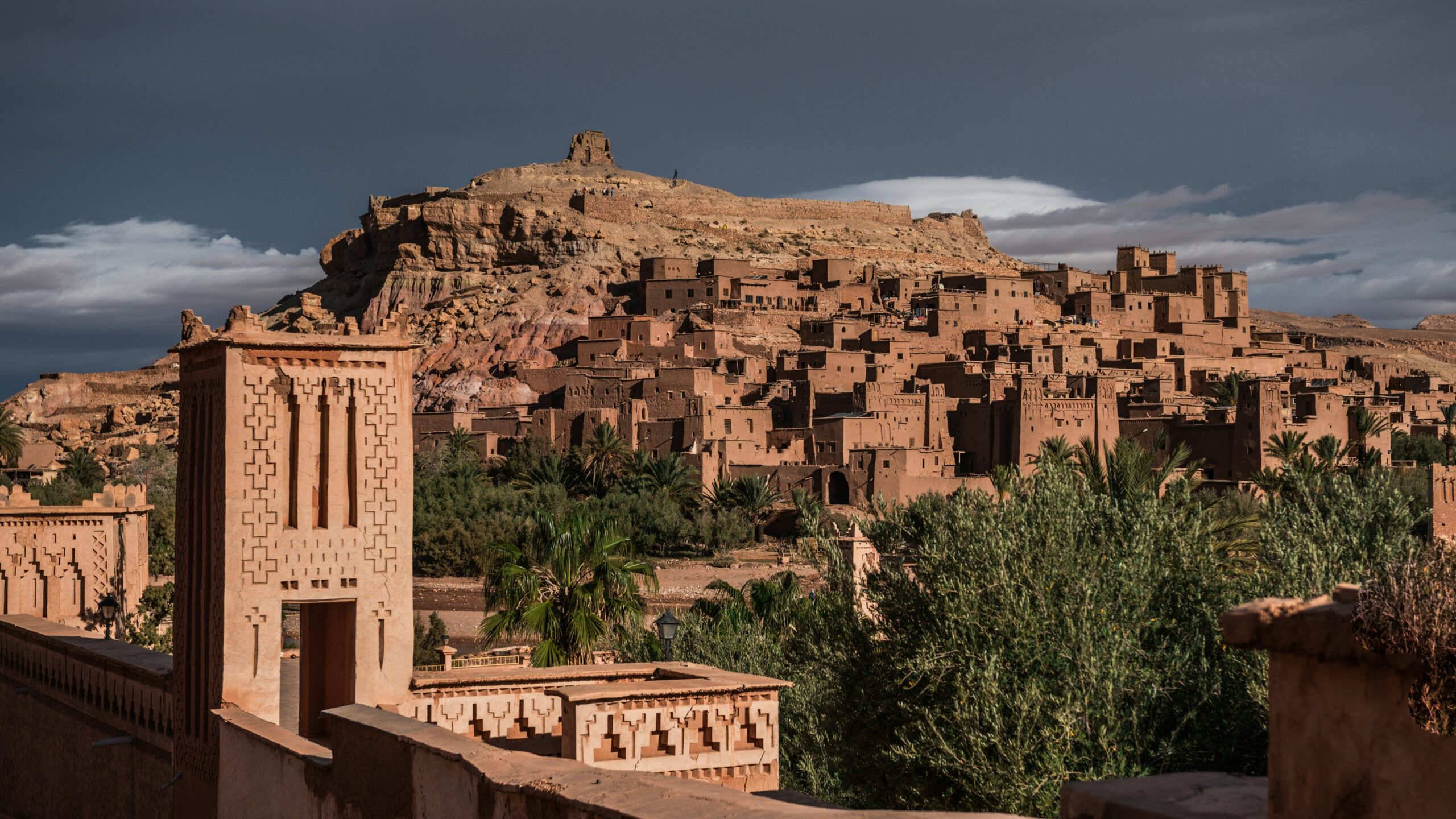
Every summer, the same story repeats. Many Moroccans eager to vacation domestically criticize the exorbitant prices of hotel accommodations—a cost burden that often drives them to explore other destinations deemed more affordable.
Whether traveling as couples, families, or friends, a significant number now set their sights on Egypt, Spain, Portugal, or, increasingly less, Turkey.
After declining post-COVID-19 (when domestic tourism hit record highs due to travel restrictions), Morocco’s domestic tourism regained momentum in 2024. Classified hotels recorded 8.5 million overnight stays, accounting for 30% of total overnight stays nationwide, according to the Ministry of Tourism.
4% Rise in Domestic Tourist Overnight Stays Through May
This upswing appears ongoing: by the end of May 2025, the Tourism Observatory reported over 11.88 million overnight stays in classified accommodations, marking a 14% annual increase. This growth was fueled by a 4% rise in domestic tourist stays and a 17% surge in foreign visitors.
Does this confirm a recovery for this underutilized segment? “It’s an improvement compared to 2024, when foreign tourist overnight stays rose by 18%, while domestic tourist stays dipped by 0.4%,” explains Zoubir Bouhoute, tourism expert and consultant.
In the Tangier-Tetouan-Al Hoceima region—renowned for its pristine beaches—the rebound is palpable. “We’re seeing a significant influx of domestic tourists this summer season. The destination increasingly appeals to Moroccans seeking cool retreats, relaxation, and authenticity,” says Rkia Alaoui, President of the Tangier-Tetouan-Al Hoceima Regional Tourism Council. The most sought-after accommodations remain resort hotels, beachfront residences, and guesthouses.
High Rental Prices in the Informal Market
Despite the improvement noted by the end of May and the positive momentum observed in the North, many middle-class Moroccans still prefer vacationing abroad, particularly during the summer season when hotel accommodation prices skyrocket.
“This period is marked by high demand, low purchasing power among local tourists, and limited lodging capacity. Prices rise due to the supply-demand imbalance,” acknowledges Bouhoute.
Discouraged by these prohibitive rates, domestic tourists are turning to aparthotels, guesthouses, or traditional apartments. However, prices here are also soaring, as evidenced by a small simulation we conducted on two booking platforms.
On Airbnb, apartment rental prices in Tetouan for a couple with two children average between 7,000 and 16,000 dirhams for a 22-night stay. For the same duration in Martil, costs range from 7,000 to 10,000 dirhams.
On Tripadvisor, weekly rentals in Tetouan start at 3,360 dirhams, with prices varying based on apartment size and number of beds.
Accommodations Tailored for Domestic Tourists
Brokers in the region, contacted by our team, confirm this upward trend. “We currently offer aparthotels in Cabo Negro at 700 to 800 DH per night. Previously, rates hovered around 600 DH per night, but inflation has pushed prices up, with commissions now ranging from 100 to 300 dirhams,” shares a receptionist with 20 years of experience.
Two other brokers in Martil listed three-bedroom apartments at 750 and 1,000 DH per night. One also rents two-bedroom units between 600–800 DH in July and 1,100 DH in August. For apartments with pools, prices start at 1,300 DH.
“We implement special rates for August. Prices depend on proximity to the corniche,” one broker adds. In Agadir, a broker noted that all two-bedroom units were booked, leaving only a duplex at 750 DH per night and a studio at 500 DH for late July to mid-August.
According to Bouhoute, the solution to lowering prices and boosting domestic tourism is straightforward: develop tourist products and accommodations specifically for local tourists, whose purchasing power he estimates is six times lower than European visitors. This requires expanding bed capacity: “We have around 320,000 beds—nearly three-quarters of Antalya’s resort town in Turkey,” the expert compares.