Kingdom
Alert: “Sleeping Coaches”!
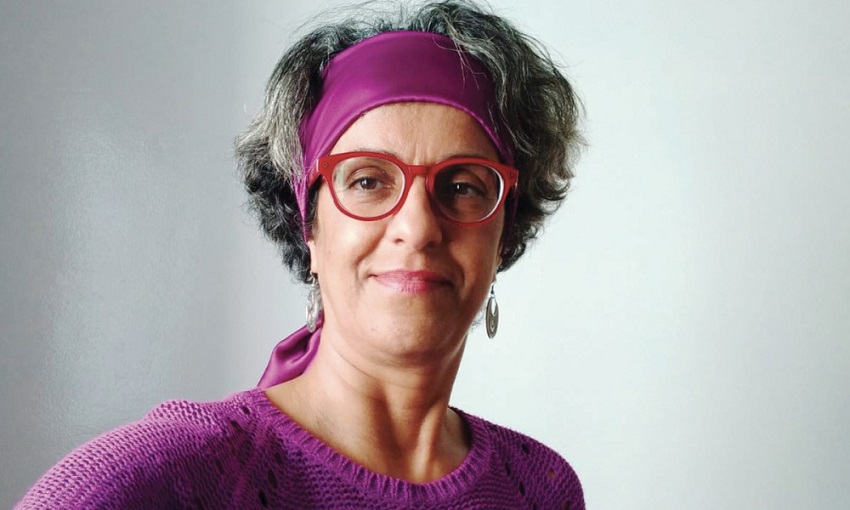
Like any profession, coaching faces a multitude of difficulties. These difficulties can turn into dangers if the profession does nothing. By Nezha Hami‑Eddiine Echairi, Business Coach – Cap RH.

According to the latest survey conducted by ICF[1] Global in 2025, the number of coaches has increased by 15% since 2023, reaching a record of 122,974. Naturally, the sector’s revenue has also increased.
Each ICF survey highlights the difficulties faced by coaching, namely the lack of support from top management, the difficulty of measuring its impact, the near absence of a coaching budget, and pseudo‑coaches. These are mercenaries who practice without having undergone training.
To this list, I add “sleeping coaches.” Let me explain.
Coaching enters companies either through coaches or through coach-managers. Companies call on a coach either to help them overcome difficulties or to consolidate their progress. Because coaching is not used only when “things are going badly,” but also when everything is going well.
Coach-managers are managers who have followed proper coaching training in order to enrich their toolkit and improve their management style.
Some companies even hire a coach outright. This is the internal coach, an employee of the company. This practice is very rare in Morocco.
Who are the “sleeping coaches”?
They are coaches who work in companies and who have undergone coaching training but do not practice. They live with the terrible frustration of being a “coach without clients.”
Yet, like any profession, if you do not practice, you lose your touch. To compensate, they either do pro bono excessively or “self‑proclaim” themselves as the company’s coaches.
Coaching requires practitioners to do solidarity work. It is an obligation. A coach must reserve part of their time to offer solidarity coaching, pro bono, according to the proper standards. It is not cut‑rate coaching. Generally, these sessions are offered to NGOs.
For some “sleeping coaches,” pro bono has become their main activity. This is dangerous, because you do not find a doctor who is constantly engaged in medical caravans, nor a lawyer who is doing pro bono all the time.
Coaching by force
To practice, some “sleeping coaches” offer their HR departments free coaching services. For example: coaching a colleague who lacks motivation, resolving a conflict, or managing stress through breathing sessions.
Some HR departments, poorly advised, jump at the opportunity. It gives them the illusion of saving money.
However, this practice is dangerous for the profession. Coaching is not requested but “offered” by the HR department. The beneficiary accepts it against their will.
This practice is highly damaging because the “sleeping coach” falls short of the profession’s ethical minimum wage: you cannot coach someone against their will. There must be a request. The coach helps the client verbalize their need. Coaching can only begin after the coachee clearly expresses this need. This will be the backbone of the relationship.
This forced coaching is a real aggression against the coachee, but the “sleeping coach” gets away with it thanks to the support of the HR department. Meanwhile, the profession pays the price.
These “coachees despite themselves” create bad publicity for coaching, as some have been left with lasting negative effects.
Inquisitorial coaches
When a company where a “sleeping coach” works launches a team coaching mission, they experience the perennial frustration: “I could have done it.”
Yes, they could do it. But to do so, they would have to take the big leap: give up the comfort of a salary at the end of the month and live the excitement of entrepreneurship.
Instead of behaving as a peer—as the profession requires—toward the coach in charge of the mission, they explain in the corridors that this is not how it should be done. How can they know, since they have never practiced?
Sometimes their “genius” pushes them to leak the budget of the mission or even propose to top management that they could do it for free.
There is danger.
[1] International Coaching Federation