Kingdom
A New Superior Institute for the Magistracy in the Works
The future institute will be built in the Souissi district on a plot of land spanning 11,141 square meters. The institution will feature flexible, modular spaces dedicated to teaching, research, and institutional activities.

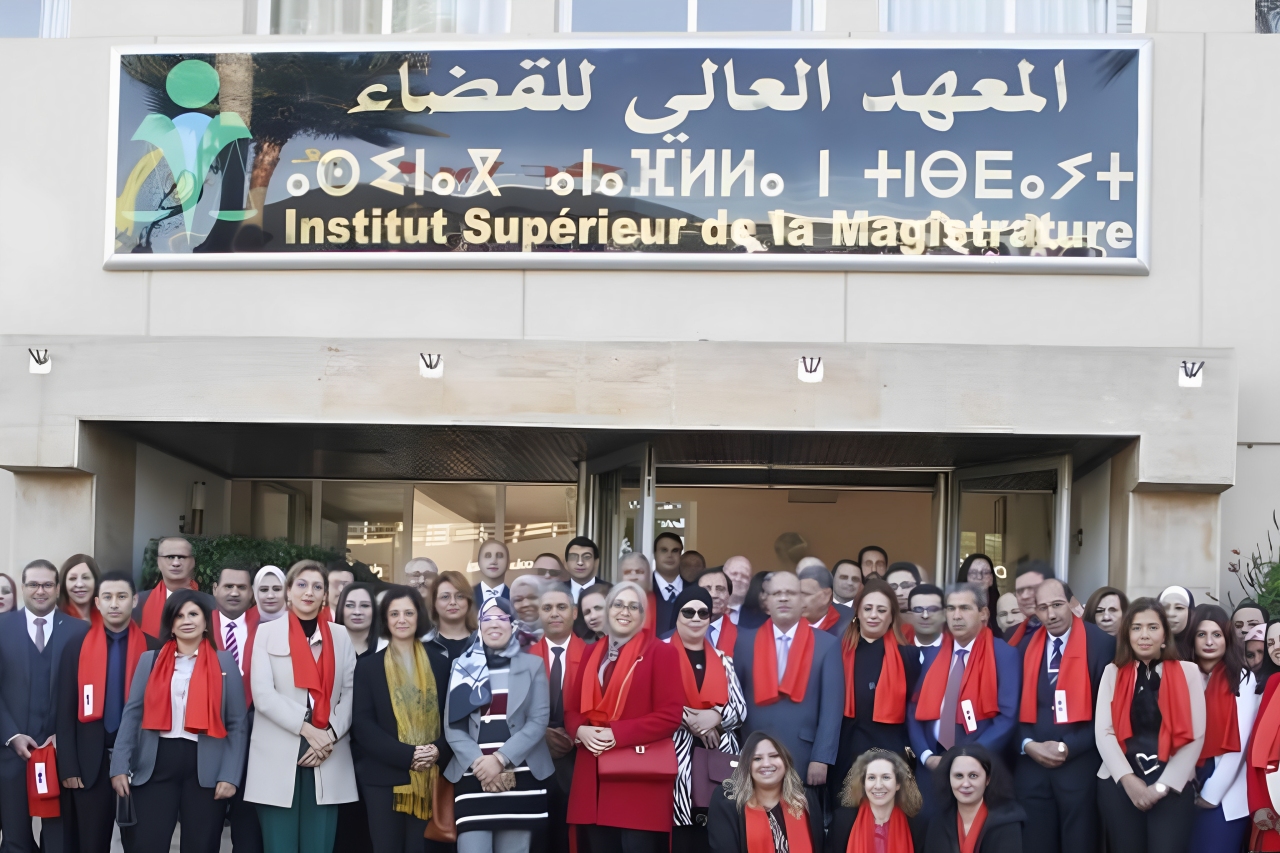
Morocco Launches New Strategic Project for Judicial Modernization with a New Higher Institute of the Magistrature in Rabat.
Morocco is launching a new strategic project for the modernization of its judicial system with the construction of a new Higher Institute of the Magistrature (Institut Supérieur de la Magistrature, ISM) in Rabat.
This new institution aims to provide judicial training with modern and efficient infrastructure, enhancing the quality of education for judicial trainees and magistrates, thereby supporting the advancement of the national judicial system.
Established in 1962, the ISM has evolved into a central institution for the initial and continuing education of magistrates and judicial trainees. The new institute aims to strengthen this role by offering a pedagogical and institutional framework aligned with the judiciary’s ongoing reforms.
The development company Rabat Région Aménagement (RRA) has launched an architectural competition to select the prime contractor to design and oversee the project, which has a budget of 120 million dirhams.
The future ISM will be built on a 11,141 m² plot in the Souissi district. The building will consist of a ground floor, one upper floor, and three basement levels, designed to provide versatile spaces for teaching, research, and institutional activities.
The program includes interactive lecture halls, amphitheaters, initial and continuing education facilities, and specialized units for research, publishing, and institutional collaboration.
Environmental sustainability is a key focus, with the project incorporating gardens, green courtyards, and relaxation areas, alongside sustainable solutions such as bioclimatic orientation, thermal insulation, solar panels, and LED lighting to minimize energy consumption.
The project emphasizes national industry, prioritizing local materials and products to reduce the carbon footprint associated with transportation and to support the domestic economy.
The architect for the project will be announced on March 18th.