Influences
From Ambition to Adversity: The Legacy of The Black Cauldron and Its Impact on Disney Animation
The Black Cauldron, Disney’s ambitious 1985 animated film, aimed to redefine the studio’s identity but resulted in a significant box office failure and internal turmoil. Despite its challenges, it paved the way for future successes in Disney animation, leading to the celebrated “Disney Renaissance.”

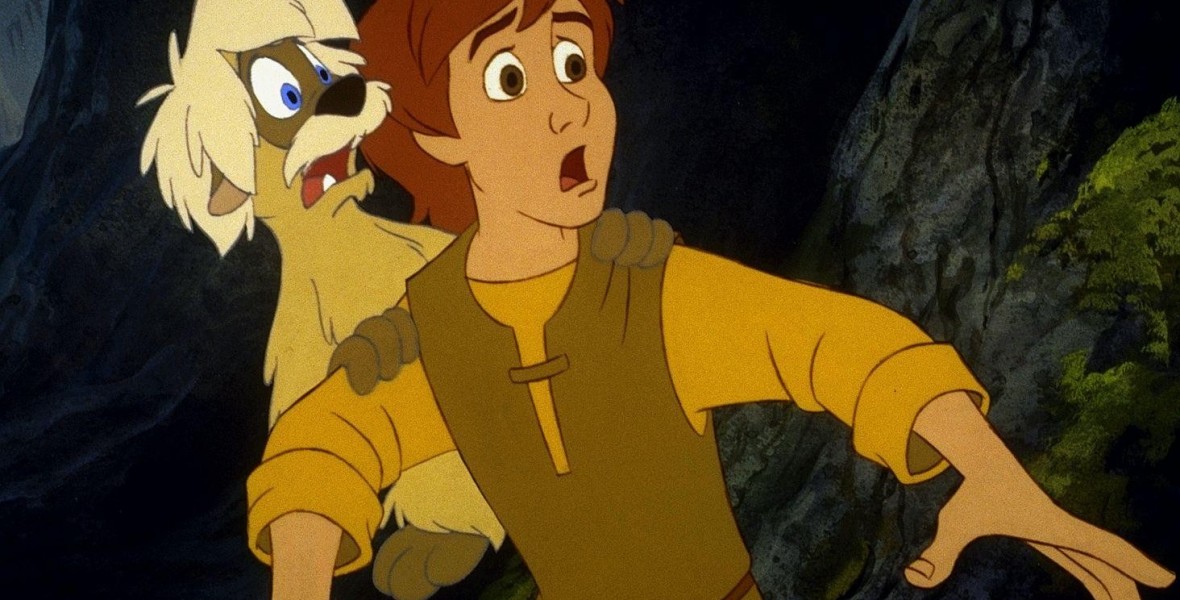
The Black Cauldron, a 1985 animated film by Disney, represents a significant turning point for the studio, marking an ambitious but ultimately disastrous attempt to redefine its identity during what is often referred to as the “Bronze” or “Dark Age” of Disney Animation. Aimed at appealing to a teenage audience, the film was Disney’s first foray into high fantasy and featured a PG rating, a departure from the studio’s traditional family-friendly approach. Despite its innovative elements, such as being the first Disney film to incorporate computer animation, The Black Cauldron failed at the box office, earning only $21 million against a budget of $44 million. The film’s convoluted plot and darker themes alienated its intended young audience, leading to a negative critical reception and substantial financial losses for the studio.
The production faced internal turmoil, marked by clashes between a new generation of animators and the studio’s established leadership. The change in Disney’s management, with Michael Eisner and Jeffrey Katzenberg prioritizing live-action films over animation, contributed to the challenges faced during the film’s development and final edits. Katzenberg’s late interference in the editing process, despite having no prior animation experience, caused friction among the creative team, with drastic cuts made that altered the film significantly.
Although myths have persisted that The Black Cauldron nearly ended Disney Animation, experts assert that while the film’s failure raised concerns within the company, it did not ultimately endanger the studio’s animation division. Roy E. Disney, Walt Disney’s nephew, championed the continuation of animation at Disney, ensuring that the company remained committed to its animated roots. Following The Black Cauldron, Disney would see a resurgence in the form of The Little Mermaid in 1989, heralding the beginning of the “Disney Renaissance” and a successful era for the studio. The legacy of The Black Cauldron, therefore, lies in its role as a critical learning experience rather than a fatal blow to Disney Animation.
SOURCE: BBC