Influences
Ministers Pass the Ballot Box Test
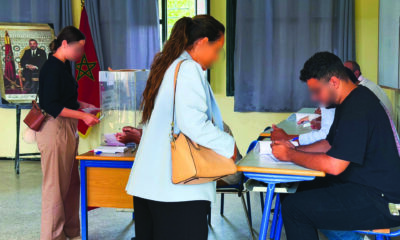
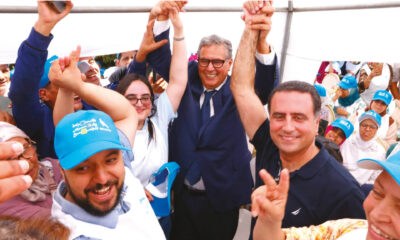
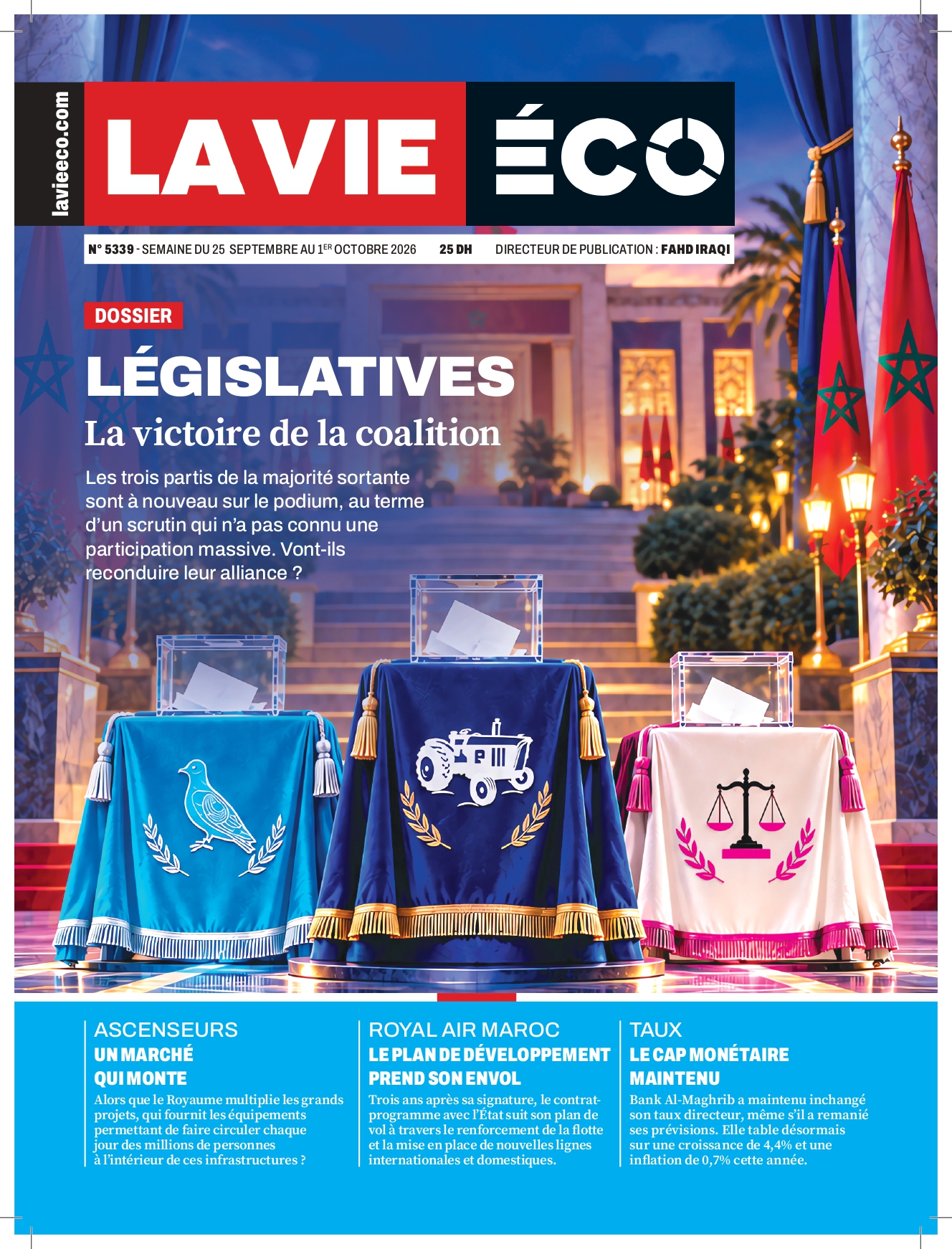
Fifteen ministers entered the battle for the September 23 legislative elections and almost all emerged victorious by a wide margin. Proof, if any were needed, that voters did not punish the government’s performance.

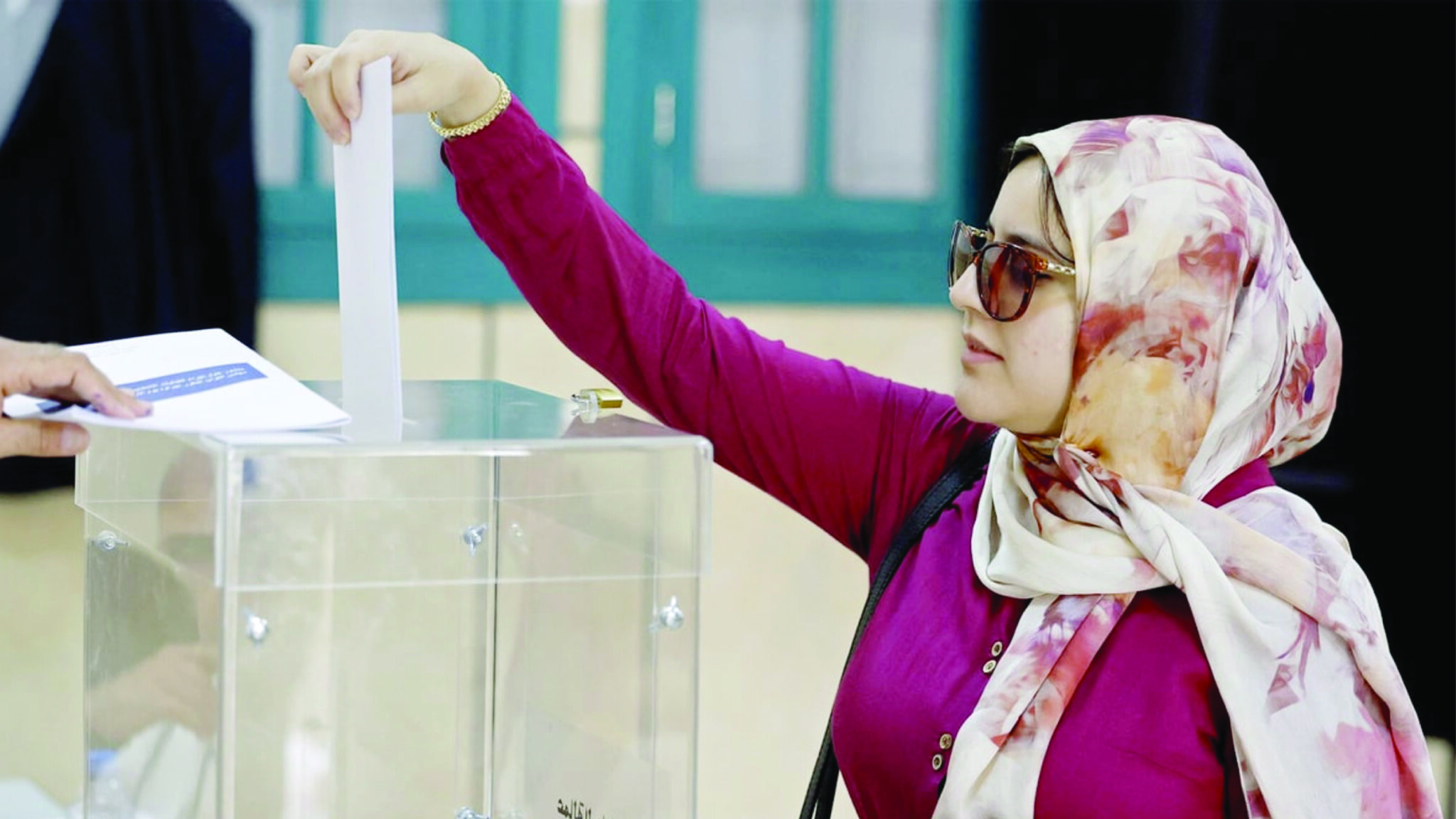
For the September 23 election, fifteen members of the Akhannouch government ran under the banners of the three parties in the outgoing majority: six for the PAM, five for the RNI and four for Istiqlal.
The scale is unprecedented, since more than half of the government team submitted themselves to the verdict of the ballot box. Full ministers, ministers delegate and secretaries of state all, with one exception, secured their seats.
Among them, nine were returning to familiar territory: they had already been elected to Parliament, in 2021 or earlier, before being appointed to ministerial office. Some are true veterans of the chamber.
The other six were entering a legislative campaign for the first time. For them, the stakes were twofold: passing the test on the ground and gaining, through the ballot box, a legitimacy that their appointment alone did not give them.
Beyond the individual trajectories, this election serves as a political verdict on the coalition itself. A defeat for its ministers would have weakened the legitimacy of the outgoing government.
Above all, it would have been interpreted as a rejection of the government’s record, which the three parties had made their main campaign argument.
This clean sweep, on the contrary, reinforces voters’ confidence in the management of the outgoing majority, and gives these ministers renewed weight in the negotiations to come.
Ahmed El Bouari
Minister of Agriculture, Maritime Fisheries, Rural Development and Water and Forests

Constituency: Ouezzane
In his very first candidacy, he won the Ouezzane parliamentary seat, his hometown. A State engineer (IAV Hassan II) and former Director of Irrigation, he was appointed minister in October 2024, replacing Mohamed Sadiki. He also chairs the RNI Engineers’ Corps. His ministerial stature, recognized expertise and roots as a local son enabled him to run a strong campaign and establish his legitimacy through the ballot box.
Zakia Driouich
Secretary of State in charge of Maritime Fisheries

Regional list: Souss-Massa
Head of the RNI’s women’s regional list in its stronghold of Souss-Massa, her election was virtually assured. A biotechnology engineer, she rose through the ranks of the fisheries administration from 1988 until taking the helm of the department. She ran a good campaign, backed by the party machinery.
Lahcen Saadi
Secretary of State in charge of Crafts and the Social and Solidarity Economy
 Constituency: Taroudant-North
As early as 2021, he stood out by achieving the second-best result in the legislative elections, with 56,693 votes. It is therefore unsurprising to see the president of the RNI youth organization return for this election. A native of Taroudant, this former teacher remains close to his constituency, where he manages to compete with the leading figures of rival parties.
Mustapha Baitas
Minister Delegate in charge of Relations with Parliament, Government Spokesperson
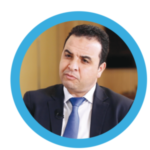 RNI · Constituency: Sidi Ifni
He was seeking a third consecutive term in his stronghold, following his victories in 2016 and 2021, and he won it. A member of the RNI political bureau, he headed the party’s central headquarters in Rabat until February 2026. Having become the weekly voice of the Government Council, he has consolidated his public profile and comfortably secured a third parliamentary term.
Mehdi Bensaïd
Minister of Youth, Culture and Communication
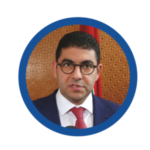 Constituency: Rabat-Océan
First elected in 2011 at the age of 26, and then returning in 2021, this Sciences Po graduate is returning to the House of Representatives. His government profile, the PAM machinery, of whose collegiate leadership he is a member, and his strong roots in Rabat were all assets in securing this new term.
Fatima Ezzahra El Mansouri
Minister of National Territorial Planning, Urban Planning, Housing and City Policy
 Constituency: Marrakech-Medina/Sidi Youssef Ben Ali
Well-versed in municipal elections, she was contesting her very first legislative election in her Marrakech stronghold. The first woman elected mayor of a major Moroccan city in 2009, this lawyer by training had no difficulty winning voters’ confidence. Her experience, institutional network and proven political resilience were assets that she was able to put forward.
Azzedine El Midaoui
Minister of Higher Education, Scientific Research and Innovation
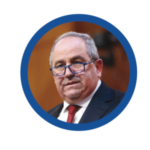 Constituency: Rhamna
His electoral baptism was crowned with success. Former president of Ibn Tofaïl University in Kenitra and a recognized researcher, he embodies the PAM’s strategy of “minister-candidates”, intended to bring renewal. His scientific and institutional credibility, as well as his roots in a constituency important to the party, contributed to his election.
Hicham Sabiry
Secretary of State in charge of Employment
 Constituency: Béni Mellal
Elected in Béni Mellal in 2021, he returned there to defend his seat. A notary by profession, he is among the secretaries of state who joined the government in 2024. In his stronghold, he confirmed his popularity and consolidated his legitimacy within his party.
Adib Benbrahim
Secretary of State in charge of Housing
 Constituency: Rabat-Chellah
He repeated his 2021 success in this capital constituency, considered “formidable” given the abundance of candidates competing for three seats. This chartered accountant, founder of an auditing firm, had chaired the PAM’s electoral program committee that same year. He claims a victorious campaign, conducted door-to-door rather than through leaflets.
Abdellatif Ouahbi
Minister of Justice
 Constituency: Taroudant-North
Former secretary-general of the PAM (2020–2024) and mayor of Taroudant, he secured a fourth consecutive term as a member of parliament. In this constituency, he faced his government colleague, Lahcen Saadi. A lawyer with an openly “showman” style, he enjoys national notoriety, coupled with a local presence unmatched over the past three terms.
Nizar Baraka
Minister of Equipment and Water
 Constituency: Larache
Secretary-General of the Istiqlal Party since 2017, he is returning in Larache, where he finished second in 2021 with 24,676 votes. An economist, former Finance Minister and heir to a historic Istiqlal family, he owes this new term to his national stature and his government record in water and infrastructure.
Abdessamad Kayouh
Minister of Transport and Logistics
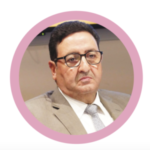 Constituency: Taroudant-South
A member of the Istiqlal executive committee, he retained Taroudant-South, a family stronghold that has existed for thirty years. A businessman in the agri-food sector and an uninterrupted member of parliament since 1997, he has chaired the Taroudant provincial council since 2003. His exceptional, long-established rural roots, his highly visible ministerial portfolio covering major projects, and his solid family and economic base explain this political longevity.
Omar Hejira
Secretary of State in charge of Foreign Trade
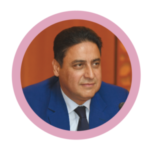 Constituency: Oujda-Angad
A pharmacist and former mayor of Oujda, son of a former resistance fighter, he has represented this constituency since 2007 and is returning for a fifth term. His institutional weight, acquired as parliamentary group leader before joining the government, enabled him to approach these legislative elections as a formality.
Ryad Mezzour
Minister of Industry and Trade
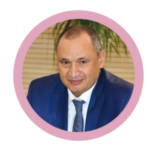 Constituency: Benslimane
A member of the Istiqlal executive committee by virtue of his ministerial position, he was contesting his very first election in Benslimane. Success came for this engineer close to Nizar Baraka, who was able to count on the decisive support of the party machinery.