Kingdom
Social and Solidarity Economy: A New Roadmap for Inclusive Development
On the occasion of the opening of the National Week of the Social and Solidarity Economy, several strategic partnership agreements were signed, marking a new stage in the structuring and development of the sector in Morocco.

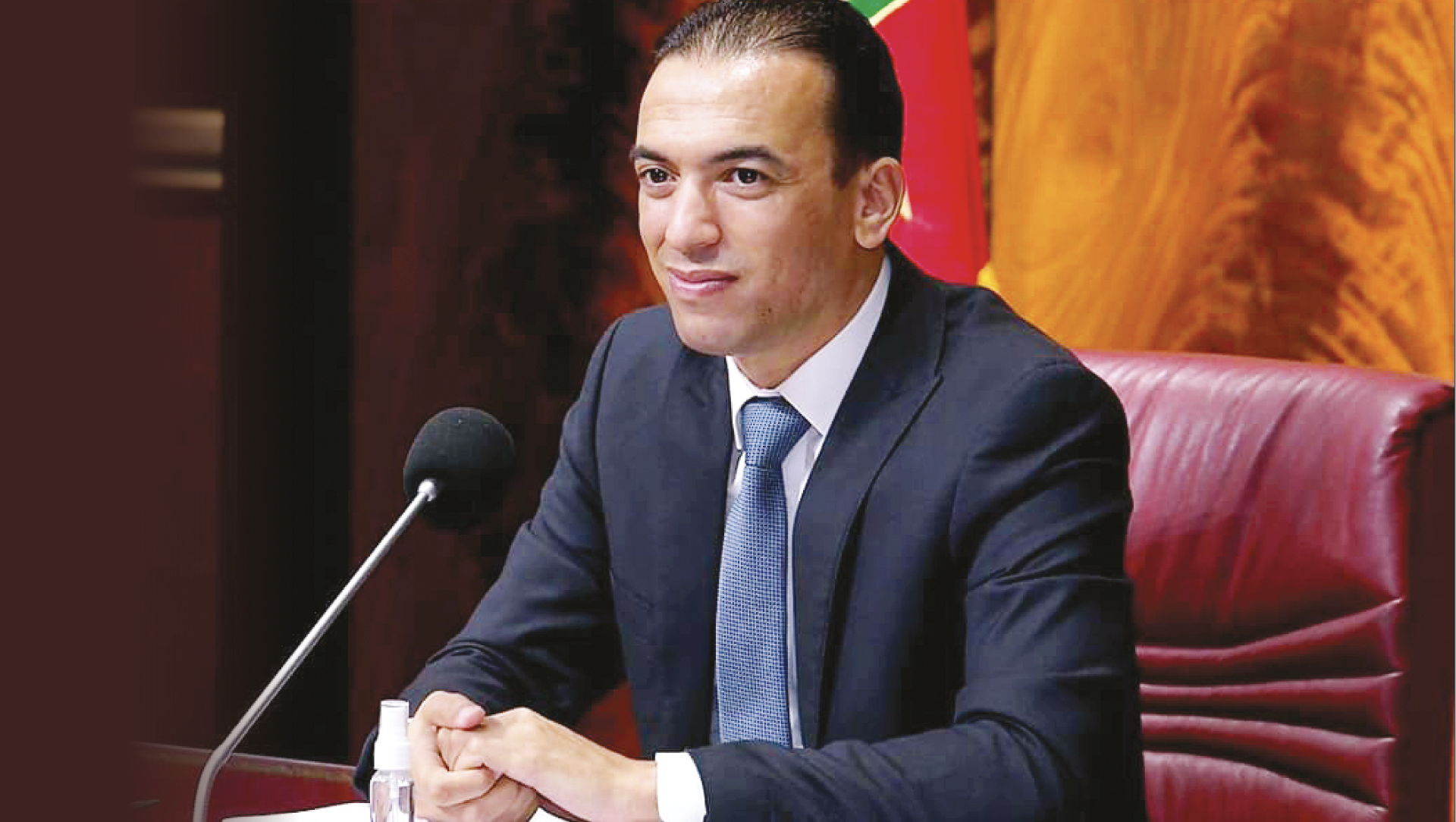
Under the High Patronage of His Majesty King Mohammed VI, the State Secretariat in charge of Handicrafts and the Social and Solidarity Economy organised, on Tuesday 28 April in Rabat, the official opening ceremony of the National Week of the Social and Solidarity Economy.
Held under the theme “The Social and Solidarity Economy in Morocco: New Perspectives for Inclusive Governance and Sustainable Territorial Development”, this event aims to position the sector as a strategic lever for more inclusive, equitable and nationally driven sustainable development.
The initiative forms part of the implementation of the High Royal Guidelines, with a particular focus on the empowerment of women, young people and vulnerable groups through genuine opportunities for production and social and economic integration. The State Secretary in charge of Handicrafts and the Social and Solidarity Economy, Lahcen Essaâdi, highlighted the importance of the sector, which includes more than 67,000 cooperatives, mutual societies and associations, bringing together nearly 780,000 members. He underscored its inclusive role, particularly for women and young people, especially in rural areas.
He also noted that this week provides an opportunity both to take stock of achievements and to present future directions for the sector, adding that the framework bill No. 17.26 has entered its final stage following its publication for public consultation.
Series of partnerships
Several partnership agreements were signed on this occasion, notably with the Association of Moroccan Regions (ARM), the Digital Development Agency (ADD) and the organisation Migration & Development, with the aim of strengthening the structuring of the sector, its digitalisation and its socio-economic impact.
The National Agency for the Fight against Illiteracy (ANLCA) also concluded two agreements to strengthen functional literacy programmes for actors in the social and solidarity economy, particularly within cooperatives and associations, especially in rural areas.
For its part, the Office for the Development of Cooperation signed a partnership with Al Akhawayn University to launch the experimental “TAWYENUN” programme in the province of Ifrane, focusing on supporting cooperatives in market access, digitalisation and governance.
These initiatives reflect a strong commitment to further structuring the sector, enhancing the value of its products and services, strengthening the capacities of its stakeholders and accelerating its digital transformation, with particular attention given to young people and women, especially in rural and mountainous areas.