International
Ted Turner, Pioneer of 24‑Hour News and Global Media, Dies at 87
Ted Turner reshaped modern media by pioneering 24‑hour cable news, expanding basic cable television, and redefining the global circulation of information. His legacy combines visionary risk‑taking in broadcasting with an enduring commitment to philanthropy, environmentalism and international cooperation

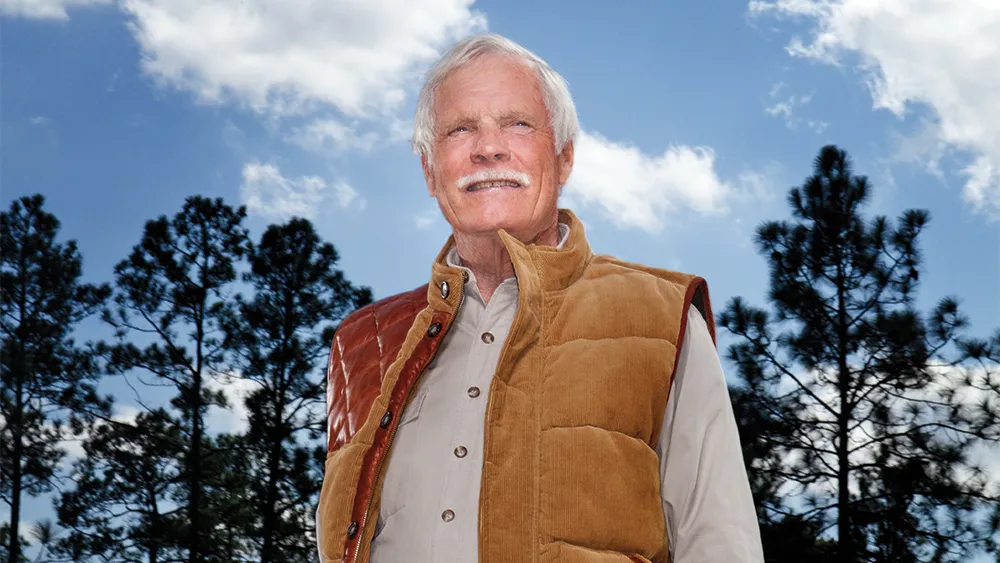
Ted Turner, one of the most consequential figures in modern media, has died aged 87, marking the end of a career that reshaped television, news, sports broadcasting and large‑scale philanthropy. Rising from the inheritance of a small family billboard business in Atlanta, he transformed a struggling local television station into a national “superstation,” helping to catalyse the expansion of cable television and satellite distribution in the United States. His most enduring intervention came in 1980 with the launch of CNN, the world’s first 24‑hour cable news network, which redefined the temporality, scale and global reach of televised news and profoundly altered how political events, wars and crises were experienced in real time by audiences worldwide.
Beyond CNN, Turner built a sprawling media empire that included TBS, TNT, Cartoon Network and Turner Classic Movies, alongside ownership of an extensive Hollywood film library acquired through MGM. His ventures consistently challenged industry norms, whether through pioneering original programming on basic cable, broadcasting live international conflict from Baghdad during the 1991 Gulf War, or controversially colourising classic black‑and‑white films to render them more accessible to new audiences. Parallel to his media career, he used sports strategically to grow his networks, owning the Atlanta Braves and Hawks, winning the America’s Cup in sailing, and treating televised sport as a central driver of audience loyalty and ratings.
Turner’s public life was equally defined by an expansive and unconventional commitment to philanthropy and political causes. In 1997, he donated one billion dollars—approximately a third of his personal wealth at the time—to establish the United Nations Foundation, setting a precedent for large‑scale giving during one’s lifetime rather than through posthumous endowments. His activism focused on nuclear disarmament, environmental protection, climate change and global health, and he became one of the largest private landowners in the United States as part of an effort to preserve ecosystems and revive the American bison population. Even after losing much of his fortune following the disastrous AOL–Time Warner merger and his subsequent ousting from the company, he remained committed to advocacy, conservation and charitable work.
Remembered as charismatic, confrontational and often unapologetically outspoken, Turner combined visionary risk‑taking with a refusal of managerial caution, earning both admiration and controversy throughout his career. Personal struggles, including a disclosure of Lewy body dementia in later life, coexisted with a lifelong drive to “work like hell and advertise,” a philosophy that underpinned his influence over late twentieth‑century media culture. His legacy lies not only in the institutions he founded but in the durable transformation of broadcasting, global news circulation and philanthropic practice that his interventions set in motion.
SOURCE: VARIETY