Influences
Thomas Micoulet: “A filmmaker is constantly pitching: to their family, to their friends…”
The Scenario Fund Workshops at the Mediterranean Film Festival of Tétouan put filmmakers face to face with the art of the pitch. The French producer explains how to transform an idea into a clear and powerful story, while staying true to one’s artistic vision.

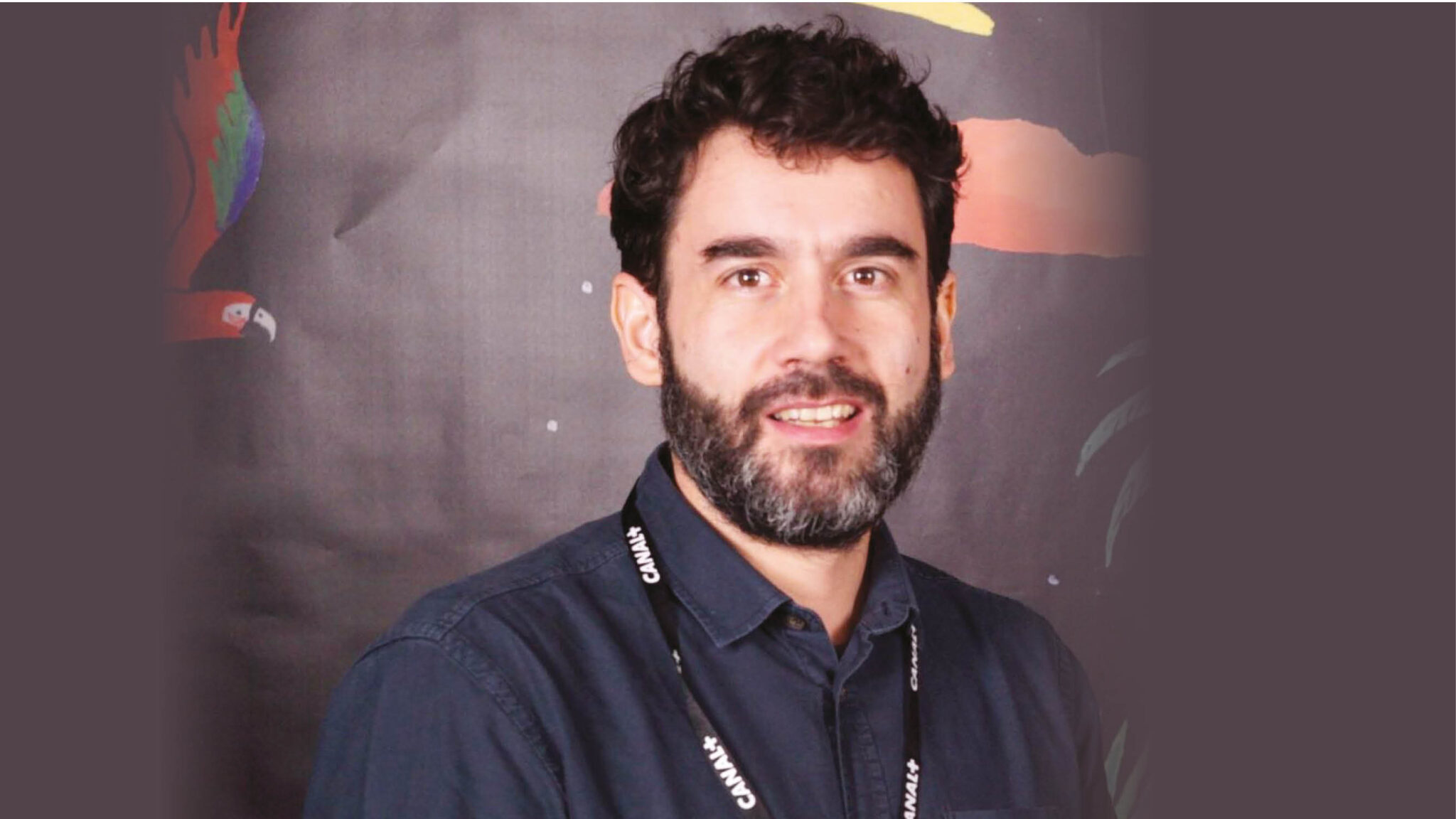
In the midst of the 30th edition of the Mediterranean Film Festival of Tétouan, the Scenario Fund Workshops are in full swing. These pitching training sessions, aimed at developing feature film fiction and documentary projects, bring together filmmakers from both sides of the Mediterranean.
Thomas Micoulet, an experienced French producer and pitching trainer for this edition, sheds light on the essence of these exchanges. Interview.
What makes these sessions so special this year beyond the pure technique?
What really matters in these pitch preparation workshops is the meeting of directors. From day one, we worked in groups: everyone introduced themselves, listened to others, and discovered how each author presents their project.
It’s also an opportunity to understand the realities of different countries, to perceive the experiences, lives, and languages that run across the entire Mediterranean. This collective work, this constant exchange, is what makes the Tétouan workshops so rich this year.
Getting to the heart of the profession, how do you practically approach working on the pitch with project holders? What balance must be found between faithfulness to artistic vision and professional effectiveness?
Regarding the pitch work, our goal is simple: to find with the project holders the words and the way to present their film as accurately as possible. It is about staying true to their vision while giving the project a chance to meet professionals (producers, distributors, festival managers).
We look for a balance: not to please the market, but so that decision-makers can immediately understand what the film is about, its genre, its tone, and the director behind the project. These preparation days are timed: each presentation must last between 8 and 10 minutes, including excerpts. The idea is to condense the essentials, with strength and clarity.
For filmmakers discovering this exercise for the first time, how should they best prepare?
The first thing is to learn about the pitch: its structure, what is expected. Much information is already available online. Attending a training or workshop also helps a lot. And above all, meeting resource people, those who know this exercise.
But what I always repeat is that a filmmaker is constantly pitching. To their family, friends, loved ones… We are always telling a story, a film that has touched us, whether it is ours or not. All of this is already pitch. In a professional setting, the work consists of organizing this speech.
For me, the most important thing is to use the pitch as a tool for film development: identifying its strengths, spotting its blind spots, its vulnerabilities. All this serves to rework the screenplay, to refine the project, to make it stronger before production.
Finally, are there golden rules or traps to avoid in the art of the pitch?
Pitches must, above all, in my opinion, correspond to the filmmakers. There is no model or absolute rules. One must speak from where they are, with words that belong to them and serve the project.
Of course, within the allotted time, you must be able to present your film clearly. But beyond that, there are really only two or three essential principles. It is a difficult, complex exercise to go all the way, but its methodology remains quite simple.