Business
“We have built a platform used by thousands of entrepreneurs around the world”
One of the startup’s founders looks back on the origins of the YouCan project, the keys to its growth, and the strategic choices shaping its development.

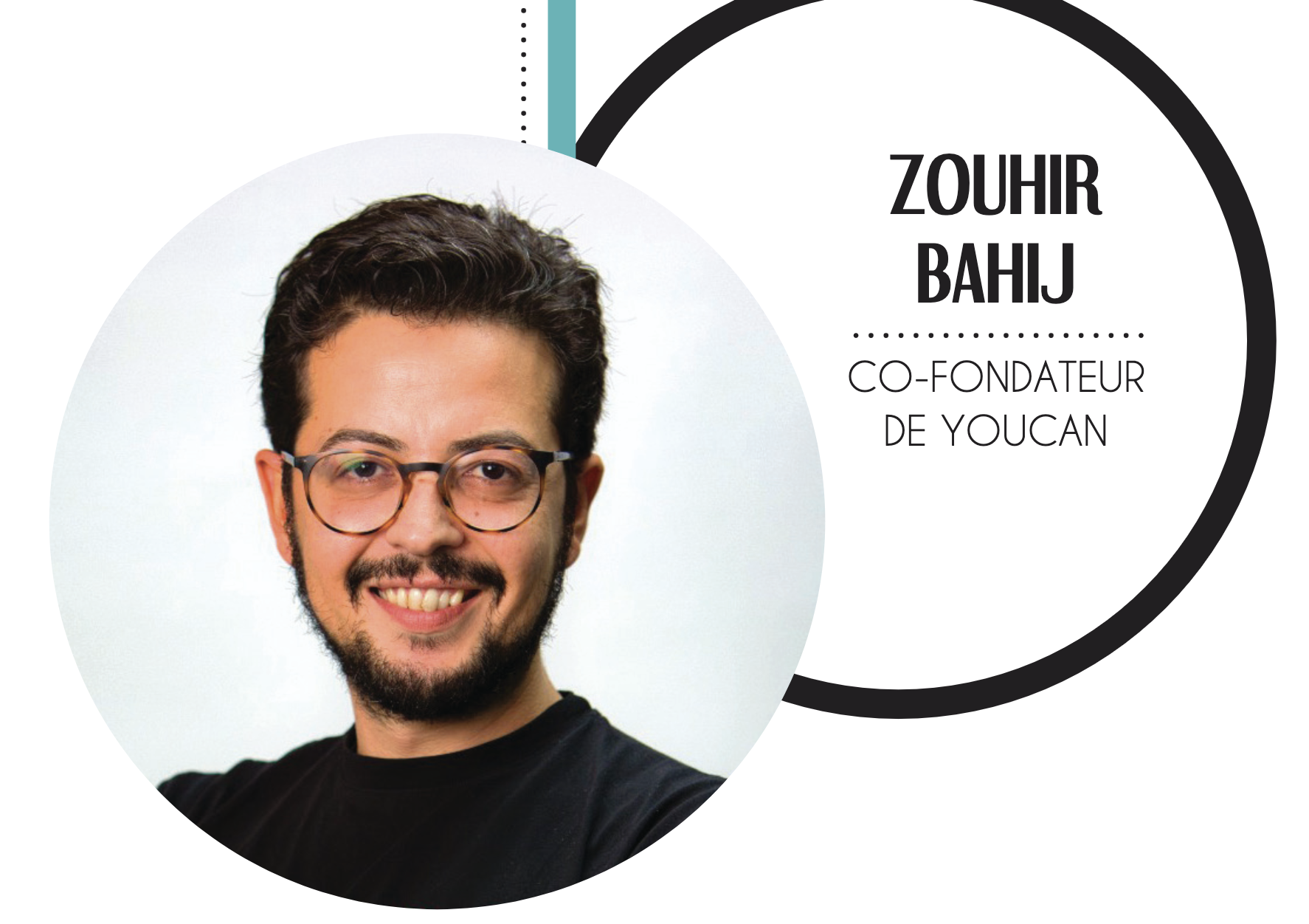
How did the idea for YouCan come about? What concrete problem did you identify at the start?
YouCan was born from a very concrete observation: e-commerce remained structurally complex in emerging countries. An entrepreneur wanting to get started faced several simultaneous obstacles: limited payment solutions, heavy reliance on cash on delivery, logistical challenges, and a lack of tools truly suited to the local context.
Existing platforms were efficient, but designed for environments where infrastructure is already mature. So we chose to start from our own constraints to build a solution capable of absorbing this regional complexity and enabling anyone to move quickly from an idea to their first sales.
After six years of activity, what is your assessment of the YouCan journey?
The assessment is both encouraging and revealing of the market’s potential. In six years, we have built a platform used by thousands of entrepreneurs across several countries. The impact is particularly significant: we have helped democratize digital entrepreneurship by making it accessible to a much broader audience, often without technical or entrepreneurial training.
That said, we remain clear-eyed: what we have achieved is only a first step. African and Arab markets are still largely under-equipped in digital infrastructure. It is therefore essential to continue innovating, particularly by integrating developments related to artificial intelligence, which is playing an increasingly important role in everyday life.
Your growth has been particularly rapid. What were the main drivers?
Our growth is based on several key factors. First, timing: our launch in January 2020 coincided with the Covid-19 crisis, which accelerated digitalization and increased the search for new sources of income.
Next, our product positioning: we focused on simplicity and strong adaptation to the local context, which facilitated adoption.
Finally, our closeness to users was decisive. We developed the platform in constant interaction with our merchants, which allowed us to evolve quickly. This approach fostered largely organic growth, driven by word of mouth.
How do you explain your adoption in more than 160 countries, given that YouCan was born in Morocco?
We designed YouCan to address local problems that are common across many emerging markets. What we developed for Morocco proved relevant in Africa, the Middle East, and beyond.
Our observation is simple: these markets share the same difficulties, and therefore the same needs. Moreover, the very nature of a technology product allows for global distribution from the outset.
What has been the most difficult decision since YouCan was created?
The most difficult decisions are not always the most visible. In our case, it has often been about arbitrating between growth and focus—in other words, knowing how to say no.
In a rapidly expanding environment, opportunities are numerous (new markets, features, partnerships), but not all are strategic. The challenge lies in the ability to remain disciplined and focus on long-term priorities, even if that means turning down certain opportunities.
How do you manage the pressure associated with such rapid growth?
Pressure is an integral part of the role, especially when building an ambitious and sustainable project. Unstructured growth can generate more risks than opportunities.
To deal with it, I rely first on a strong and agile team. Success in tech does not depend on an individual, but on an organization capable of continuous improvement.
I also make sure to maintain a long-term vision. This helps prioritize effectively, put day-to-day challenges into perspective, and avoid being driven by short-term constraints.