Business
Morocco’s Construction Sector on the March Toward a Risk-Aware Culture
Driven by colossal infrastructure projects, the Moroccan construction sector displays undeniable economic vitality. Yet, behind this boom, insurance coverage for construction sites remains limited. Between an evolving legal framework and a still nascent risk culture, the profession is entering a decisive turning point.

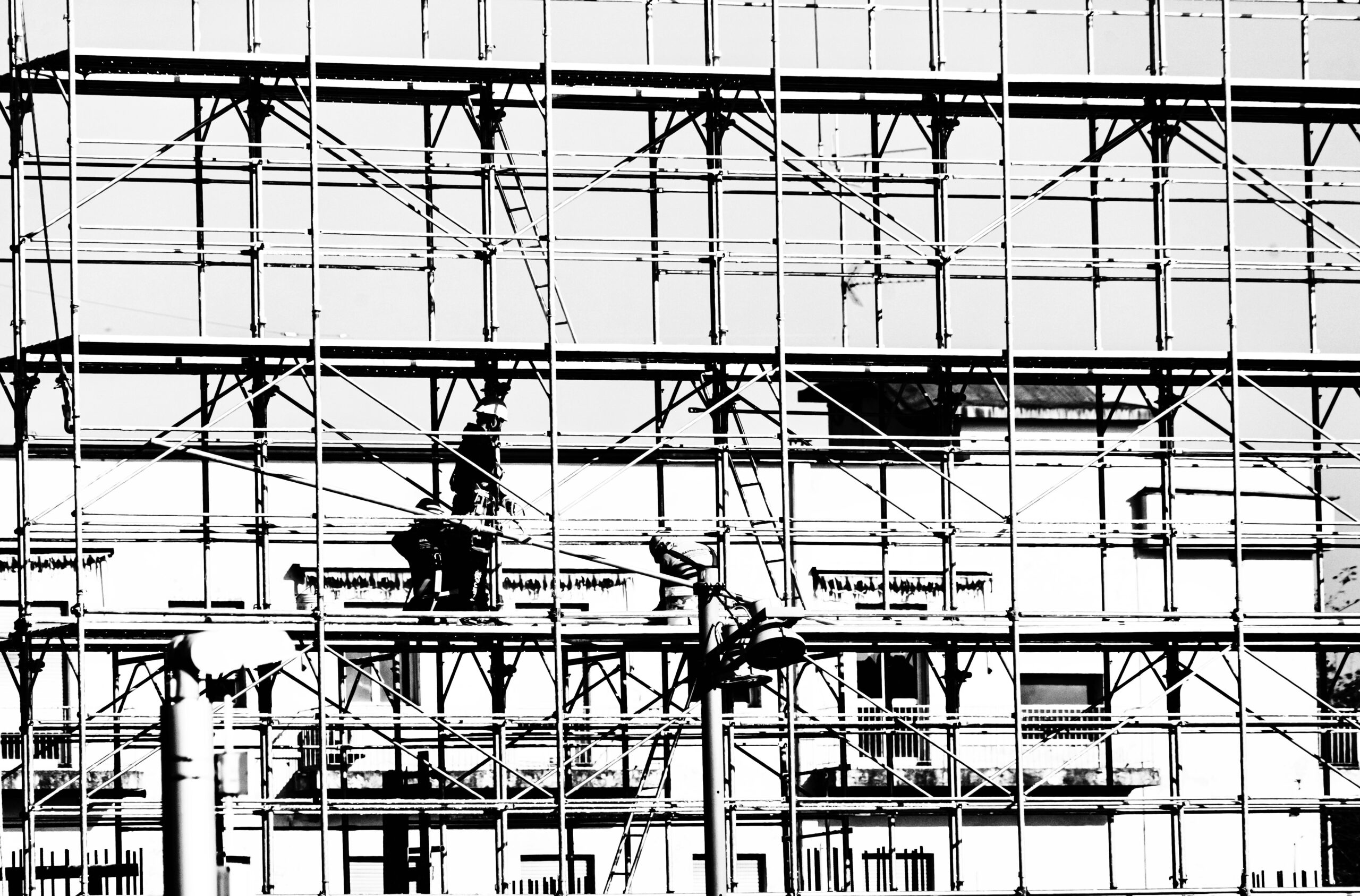
With major infrastructure projects, the Moroccan construction sector continues its forward march. Its value added reached nearly 90 billion dirhams in 2024 according to the HCP. But behind this economic vitality lies a more fragile reality: insurance coverage for construction sites remains far below international standards.
As risk management expert Mohamed Jamal Bennouna points out, “The construction sites that truly benefit from All Risks Construction Insurance (TRC) and Decennial Civil Liability Insurance (RCD) are primarily public sector projects. As for the private sector, we don’t have statistics, but I could suggest the alarming figure of 20 to 30% at most.”
An observation that the ACAPS figures do not contradict. In 2024, premiums issued for TRC and RCD insurance amounted to 271 million dirhams and 62.7 million dirhams respectively.
In the first quarter of 2025, these two categories recorded a marked increase of 64% for TRC and 44% for RCD compared to the same period the previous year. However, according to the Authority, this growth primarily reflects the effect of the legal obligation coming into force rather than widespread sector coverage.
In other words, the market is reacting without a risk culture being firmly established yet: the majority of construction sites, particularly private ones, remain outside the effective insurance perimeter.
A Reform that Shakes Up Practices
Faced with this structural vulnerability, the state has reached a turning point with Law 59.13 making construction insurance mandatory. The goal: to establish a protective framework and bring responsibility to a still reluctant ecosystem.
According to Bennouna, “Since the mandatory construction insurance requirement came into force in December 2024, many professionals have asked how Law 59.13 and its implementing decrees work together. It is still too early to assess the changes, but I have great hope that Moroccan professionals will embrace this approach.”
For its part, the ACAPS specifies that “since the effective entry into force, on December 30, 2024, of the obligation for Decennial Civil Liability (RCD) and All Risks Construction (TRC) insurance, a structured system has been deployed to ensure compliance with the new regulations.”
The Authority has notably established an indirect control mechanism, making the occupancy permit or certificate of compliance conditional upon the presentation of an RCD insurance certificate, in coordination with the Ministry of Housing and local authorities. This unprecedented measure now directly links a project’s compliance to its insurance coverage.
From Constraint to Risk Culture
The implementation of this law, however, reveals a deep deficit in education. Many players: project owners, developers, architects, or engineers still perceive insurance as a cost, not as a guarantee of quality.
“The insurance culture is not yet well established in Moroccan society, due to a lack of communication and popularization of insurance concepts,” laments Bennouna.
Aware of this delay, the ACAPS has taken the matter head-on: “From the entry into force of the TRC and RCD insurance obligation, a communication campaign has been deployed to inform the public and professionals.
An educational guide has been developed and disseminated to clarify the terms of these insurances, particularly for architects and other sector stakeholders.” The Authority thus aims to transform a legal obligation into an opportunity for professionalization, focusing on training and awareness.
Simultaneously, the sanctions provided for offenders leave little room: “The Insurance Code provides for fines ranging from 5,000 to 100,000 dirhams, as well as administrative sanctions, such as the refusal to issue an occupancy permit in the absence of an RCD certificate,” the ACAPS reminds. A firmness that aims to establish, in the medium term, a true risk discipline within the construction industry.
On the legal front, the task remains immense. Morocco continues to rely on the Dahir of Obligations and Contracts of 1912, whose Article 769 still governs decennial liability. “These articles currently do not meet the rapid evolution of the construction sector. It is time to revise them so they are in harmony with current times,” pleads Bennouna.
Toward an Era of Insurance Maturity
This update of the legal framework would be a key step to accompany the sector’s modernization and facilitate the application of Law 59.13. But the future seems promising.
According to the ACAPS, “in view of the control measures implemented and the awareness efforts undertaken, the coverage rate of eligible construction sites is set to experience rapid growth: within three to five years, almost all construction sites, nearly 100%, should be effectively covered by TRC and RCD insurance.”
An ambitious projection, but consistent with the momentum underway. As trust builds between insurers, contractors, and project owners, construction insurance becomes a marker of professionalism and quality.
More than a simple risk transfer tool, it now stands as a lever for securing investments and durably improving structures.
Morocco is preparing to turn a decisive page in the history of its construction sector. Behind the cranes and architects’ plans, a new culture is taking hold: that of managed risk.
If the texts evolve and educational efforts intensify, the 2025 reform could well be the foundation of a new model of responsible construction, where economic performance finally rhymes with reliability and transparency.