Kingdom
Moroccan Diaspora: IMR Turns to Digital Innovation to Bridge the Geographical Divide
The Kingdom’s Ombudsman Institution has implemented several digital services for the diaspora community, including a dedicated platform for lodging complaints, tracking their resolution, and addressing inquiries, as well as the “e-Wassit” mobile app available on both App Store and Google Play, and the “Espace Citoyen” (Citizen Space) platform.

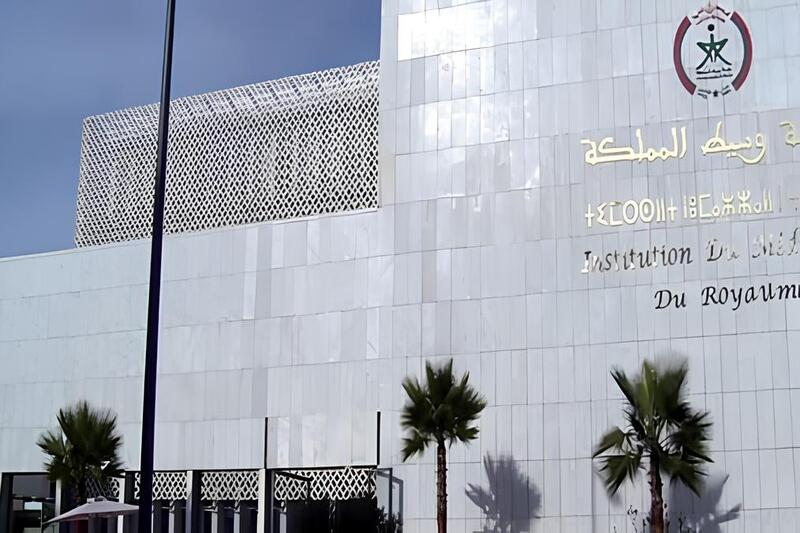
The Kingdom’s Ombudsman Institution (IMR) participated in various activities and meetings organized across the prefectures and regions of the Kingdom on the occasion of National Migrant Day, celebrated annually on August 10.
Participation in these activities, organized under the theme “Digitalization as a Lever for Strengthening Proximity Services for Moroccans Worldwide,” reflects IMR’s commitment to upholding principles of good governance and transparency in addressing issues affecting the Moroccan diaspora. The institution emphasized the use of digital tools to reduce geographical barriers and facilitate access to its services, according to a statement released by the Institution.
This participation was marked by the adoption of a unified methodology through the Institution’s regional and local delegations, as well as its contact points in the regions of Fès-Meknès, Tanger-Tétouan-Al Hoceima, Béni Mellal-Khénifra, and Casablanca-Settat. The same source highlighted that dedicated booths were set up by prefectures and regions to host delegations, alongside external services from government administrations and credit institutions, to enable direct interaction with diaspora members.
These booths served as a proximity service mechanism, allowing overseas Moroccans to voice complaints, grievances, and questions. They provided necessary clarifications, directed individuals to relevant departments for cases within the Institution’s jurisdiction, and referred matters outside its mandate to the appropriate administrative or judicial authorities.
These meetings included a comprehensive presentation of digital services designed for the diaspora, such as a dedicated platform for submitting complaints, tracking their resolution, and addressing inquiries, as well as the mobile application “e-Wassit” available on App Store and Google Play, and the “Espace Citoyen” platform. These tools illustrate the Institution’s strategy to digitize its services, enabling users to submit and monitor complaints remotely, thereby protecting their administrative rights and streamlining procedures within a transparent framework.
This participation also facilitated an exchange of experiences with various administrative bodies and civil society organizations, strengthening joint coordination to address matters related to Moroccans abroad.
Through this engagement, the IMR reaffirmed its commitment to advancing digitization as a vital tool for enhancing proximity services and reinforcing trust between government institutions and citizens. It highlighted its central role in defending the rights of all citizens, including overseas Moroccans, in service of the Kingdom’s overall development.
The commemoration of this national day aligns with the Institution’s strategic vision to place citizens, wherever they may be, at the core of administrative action and to establish permanent communication channels with Moroccans worldwide. The IMR emphasizes their pivotal role in enriching development and amplifying the Kingdom’s global influence.