Influences
Medical Cannabis: Fifteen Medications to Be Launched by Year-End
Therapeutic CBD demand remains limited despite over-the-counter (OTC) pharmacy sales being introduced a year ago. Herbal teas and dietary supplements: available options remain scarce. Medications are entirely absent from pharmacies, with doctors not yet prescribing them and only well-informed patients making requests…

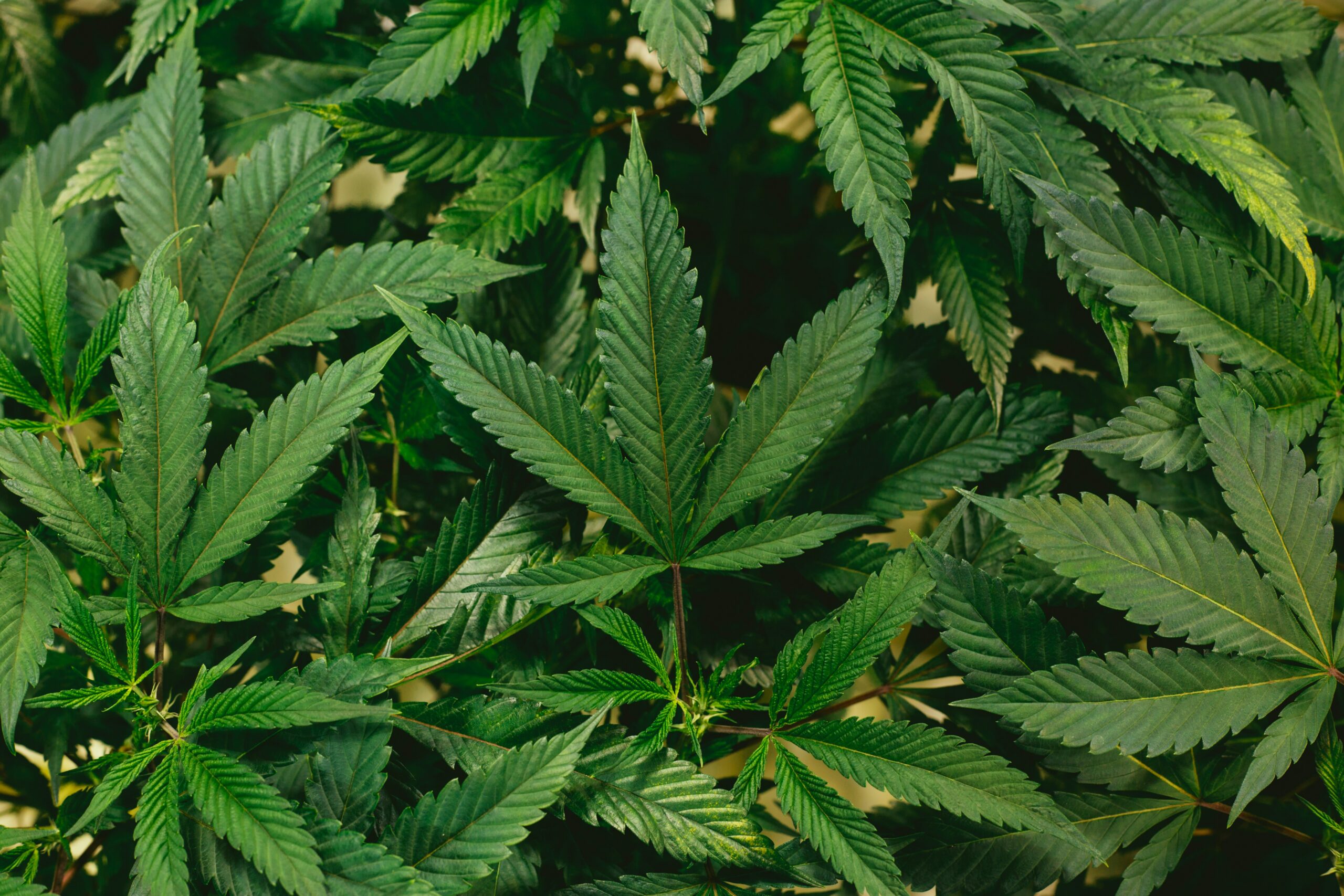
Despite the initial enthusiasm generated by the announcement made one year ago, Morocco’s medical CBD market remains underdeveloped. The availability of CBD-based products in pharmacies is still limited to a few major cities, with supply remaining constrained.
According to informed sources, fifteen CBD-based products are expected to receive market authorization by the end of 2025. This represents a concrete step toward realizing Morocco’s ambitions to develop and structure a legal, regulated therapeutic cannabis sector, as confirmed by sources close to the matter.
The original timeline for launching therapeutic CBD medications—initially set for June 2024—has faced delays. Rabii Redouane, a urologist and president of the Moroccan Association for Cannabis Cultivation and Use, explains the postponed rollout: ‘For medications, particularly cannabis-based ones, pharmacological caution is imperative. Marketing authorizations (AMMs) haven’t been granted because full clinical trials are required to demonstrate these products’ medical efficacy. Perhaps to accelerate progress, we should have leveraged international best practices!
Currently, formulations are under development, efficacy evidence is accumulating, and regulatory processes are accelerating. On the pharmaceutical industry side, two national laboratories have entered this market: Pharma 5, which developed the first generic version of Epidiolex and the first cannabis-based medication for treating pediatric treatment-resistant epilepsy. Laboratory Sothema has also created approximately fifteen cannabis-derived medications targeting pain-related conditions such as cancer and multiple sclerosis.
Low demand for therapeutic CBD…
On the ground, the market remains underdeveloped. In pharmacies, medications have yet to secure shelf space. This is logical, according to Mohamed Lahbabi, president of the Confederation of Pharmacists’ Unions: ‘Doctors aren’t prescribing these medications, and very few patients understand the medical uses of cannabis. As a result, we can’t order these products without risking financially burdensome stockpiles. More public education about medical CBD is still needed.’ In the same vein, Hachem Tyal, a psychiatrist, explains: ‘Several factors hinder this momentum, including an insufficiently clear legal framework and, crucially, inadequate public information on the subject. In the public consciousness, CBD remains conflated with THC—and by extension, hashish—with all the stigma that term carries.’
Current scientific data acknowledge the product’s significant benefits only for the following indications: treatment-resistant epilepsies (specific subtypes), chronic pain, spasticity associated with multiple sclerosis, and side effects of intensive treatments like chemotherapy. Anxiety disorders and insomnia are also mentioned, but with substantial reservations. Cautious in his approach, Dr. Tyal admits: ‘I don’t prescribe CBD-based products in psychiatric treatments, as it hasn’t been scientifically established that CBD provides definite benefits for mental health conditions.’ He adds: ‘A few studies suggest some efficacy in managing autism-related behavioral disorders. However, its utility in treating mental illnesses remains highly insufficient and controversial.’
To structure and regulate medical cannabis use, Morocco’s National Agency for the Regulation of Cannabis-Related Activities (ANRAC) has initiated dialogue with national medical societies to define a national framework for potential medical applications and build a Moroccan doctrine grounded in scientifically validated evidence adapted to local realities. Among these societies, the Moroccan Association of Neurology has been involved in this effort, given the proven scientific indications for medical cannabis in certain pathologies. Hicham Otmani, neurologist and association president, cites examples: ‘Treatment-resistant epilepsies, spasticity in multiple sclerosis, and chronic neuropathic pain.’ He emphasizes: ‘For now, prescriptions are extremely rare, as regulations must be finalized and CBD product use properly standardized.’
Rabii Redouane, president of the Moroccan Association for Cannabis Cultivation and Use, warns of the ‘risk of unregulated dietary supplement proliferation and their distribution through informal channels. Product composition must be verified, as it remains unspecified for some currently marketed items.’ Similarly, Professor Otmani highlights the danger of ‘informal, unregulated cannabis use outside validated indications and medically controlled formulations.’ This is why Tyal deems it necessary to ‘clarify regulations, launch targeted awareness campaigns—particularly for medical professionals and pharmacists—and promote national research. Demystifying CBD knowledge is essential to reassure, educate, and make it accessible to those who could benefit.’