Kingdom
Inland Fishing: Opening of the 2026–2027 Season on March 8
This activity, which includes sport fishing, commercial fishing, and aquaculture, remains an economic driver for rural territories while requiring sustainable management of fishery resources.

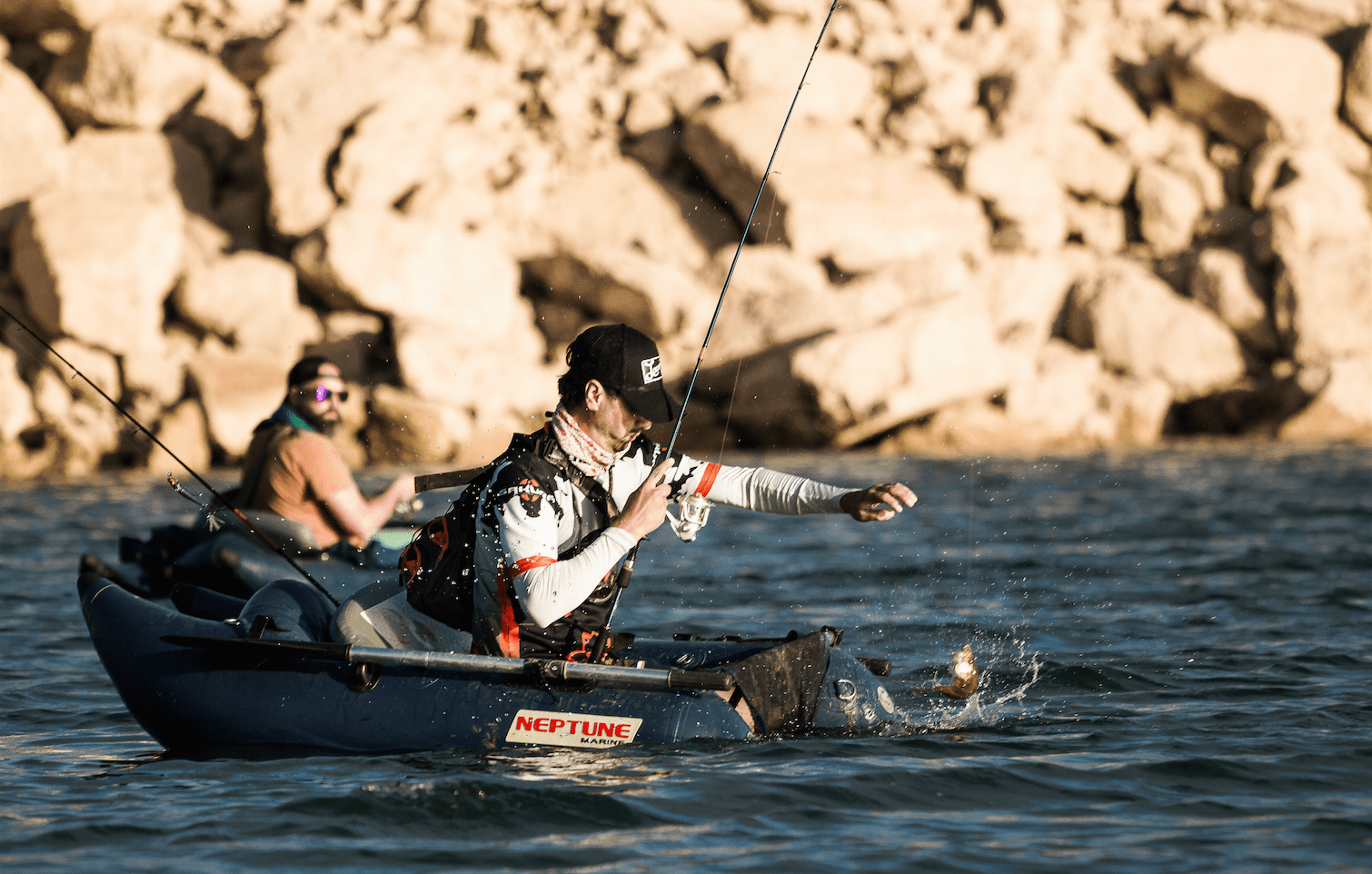
The National Agency for Water and Forests (ANEF) announced the official opening of the 2026–2027 inland fishing season, starting Sunday, March 8.
On this occasion, ANEF reaffirmed its constant commitment to preserving aquatic ecosystems and developing a structured, responsible inland fisheries sector that generates economic opportunities, the Agency said in a statement.
“Inland fishing constitutes a strategic lever for our rural and mountain territories,” the same source emphasized, noting that it contributes to local economic dynamics through its various components, namely sport and recreational fishing, a driver of tourist attractiveness and territorial promotion; commercial fishing, a source of income for many local stakeholders; and inland aquaculture, a pillar of sustainable fish production and the sector’s production security.
The new season opens in a context marked by water stress and the effects of climate change, ANEF noted, adding that in this context the priority remains the conservation of fish biodiversity, particularly species with high heritage value such as brown trout.
Regarding the past season, it was marked by a significant restocking effort, with 26.7 million fish fry released into the Kingdom’s various bodies of water and rivers, contributing to strengthening fish stocks and ensuring the sustainability of the activity.
Furthermore, ANEF regulates the sector through the rigorous application of the annual decree setting the conditions for fishing (quotas, minimum sizes, opening periods) and through scientific monitoring of aquatic environments.
This also includes fry production operations via the National Center for Hydrobiology and Fish Farming in Azrou, monitoring fishing areas and combating poaching, in addition to active partnerships with associations and their federations for participatory management.
The meeting of the National Council for Inland Fisheries and Aquaculture, held last February 5, helped consolidate the strategic orientations of this new season and strengthen coordination among all stakeholders.
Likewise, the Agency strongly encourages responsible fishing practices based on strict compliance with regulations and ecological balances.
The momentum of ecological fishing in “No-Kill” mode continues to strengthen, with five new sites added to the existing 51 routes, bringing the total number of “No-Kill” designated fishing routes to 56, thus confirming the orientation toward sustainable sport fishing that respects natural environments.
The sector must address several challenges, notably climate variability and water stress, pressure on certain sensitive ecosystems, and the persistence of isolated acts of illegal fishing.
However, these constraints are accompanied by major opportunities, namely the development of sustainable fishing tourism, which creates jobs and local added value; the rise of resilient and innovative aquaculture; as well as the gradual structuring of value chains, contributing to the professionalization of the sector.
The opening of the 2026–2027 season is an important moment for all fishermen, whether they are sport fishers, professionals, or aquaculture producers. It must be placed under the sign of collective responsibility.
“The preservation of our fisheries heritage is a shared responsibility. It is through respect for the rules, civic engagement, and cooperation between the administration, associations, and users that we will guarantee the sustainability of our resources and their transmission to future generations,” the statement concluded.