Influences
Van Gogh’s Sunflowers: Symbolism of Life and Loyalty
Vincent van Gogh’s sunflower paintings embody deep symbolism, reflecting themes of companionship, faithfulness, and the passage of time. Their influence extends from art history to contemporary works, highlighting the enduring quest for meaning in life.

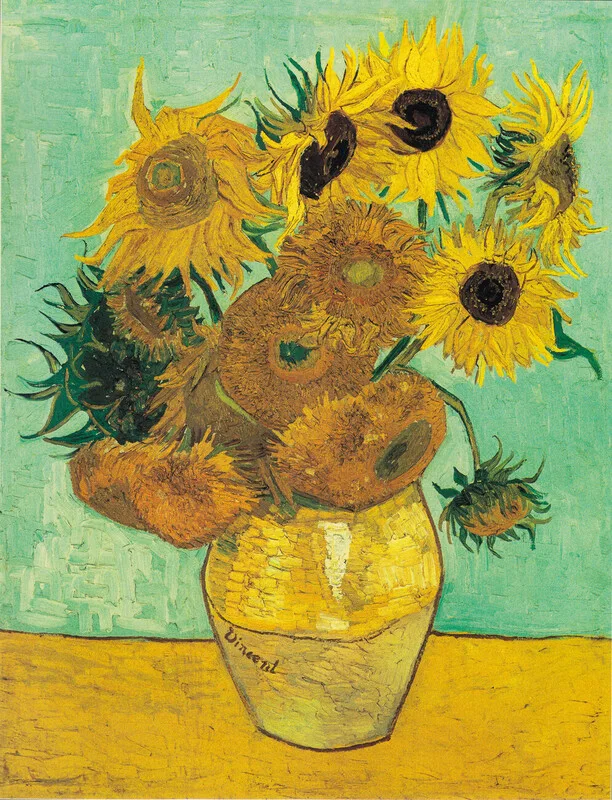
Vincent van Gogh’s sunflower paintings embody deep symbolism, significantly contributing to his legacy as one of history’s most renowned artists. Van Gogh’s fascination with sunflowers, expressed through a series of twelve paintings created in different phases, reflects his emotional connection and artistic ambitions. While the sunflowers served as a medium for color experimentation, they also symbolized Van Gogh’s desire for companionship and artistic recognition, particularly in relation to fellow artist Paul Gauguin. Despite his struggles during his lifetime, Van Gogh’s sunflower artworks gained considerable acclaim in the early 20th century, influencing various artists and critics.
Sunflowers have historical associations as symbols of faithfulness and devotion, with roots in mythological stories and artistic representations that evolved over time. They have been linked to themes of romantic love and religious faith, resonating with broader human concerns regarding the passage of time and the connections between life and art. The influence of Van Gogh’s work continues to resonate through contemporary art, as seen in Anselm Kiefer’s creations, which draw on similar themes of transience and regeneration. Both artists use the sunflower to explore deeper philosophical questions about existence and our connection to higher ideals, making the sunflower a powerful symbol of loyalty and the search for eternal significance amid the ephemeral nature of life.
Source: BBC