International
Provocation and Legacy: Eminem’s The Marshall Mathers LP
Eminem’s Marshall Mathers LP: A provocative cultural milestone. 25 years later, its controversial legacy still resonates.

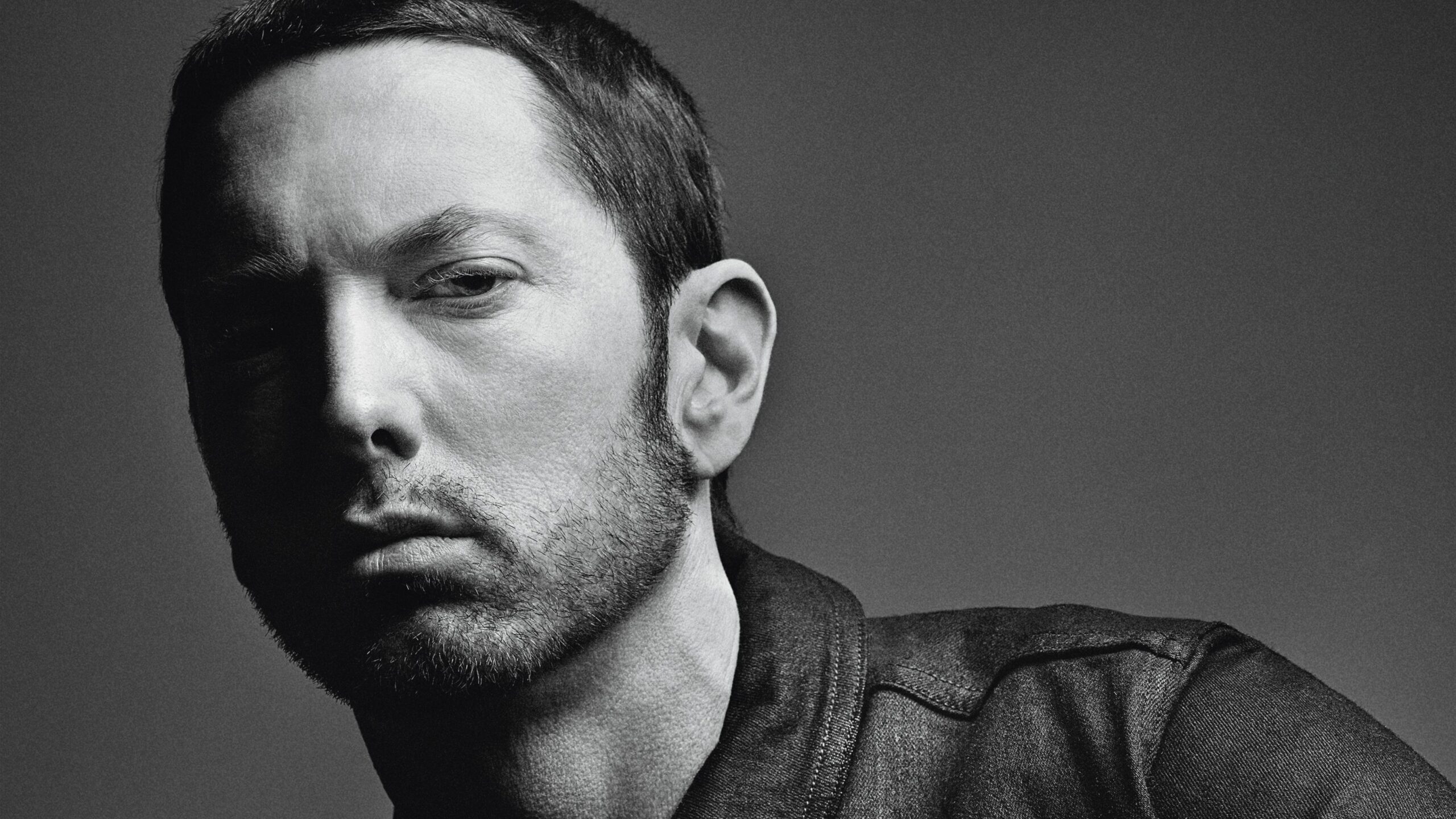
Eminem’s third studio album, The Marshall Mathers LP, released 25 years ago, marked a significant moment in both his career and Western pop culture. The album, characterized by its provocative and often offensive lyrics, propelled Eminem to superstardom and incited widespread debate regarding its themes and content. Through his alter ego, Slim Shady, Eminem challenged political correctness, addressing societal issues with a rawness that drew both acclaim and outrage. The album blended humor and brutality, featuring tracks like “Kill You” and “The Real Slim Shady,” which showcased his ability to critique mainstream culture while resonating with a disaffected generation. Despite its controversial nature, the album achieved immense commercial success, selling over 35 million copies worldwide and influencing a multitude of artists who followed.
The lyrical content of The Marshall Mathers LP was diverse and multifaceted, tackling topics from violence to identity and societal expectations. Eminem’s background, growing up in a poor, predominantly Black neighborhood, added depth to his narrative, positioning him as a voice of the marginalized in America. However, the offensive elements, including homophobic slurs and graphic depictions of violence, have led to a re-evaluation of the album’s legacy, particularly in today’s more sensitive cultural climate. Critics argue that while Eminem’s storytelling and musical innovation defined a generation, the shock tactics may now feel outdated or problematic.
Despite the controversies surrounding its themes, the enduring popularity of The Marshall Mathers LP, evident through its massive streaming numbers and cultural impact, underscores its role as a touchstone in music history. The album remains a complex reflection of Eminem’s life and career, capturing the turbulence of its time while continuing to provoke discussions about authenticity, offense, and the evolution of hip-hop culture.
Source: BBC