Business
Abdeljabbar Rachidi: “An evaluation of the system dedicated to persons with disabilities is under way”
Strategic Plan 2025–2027, nationwide rollout of the disability card, a dedicated direct social assistance scheme… An overview of the various measures aimed at promoting the inclusion of persons with disabilities.

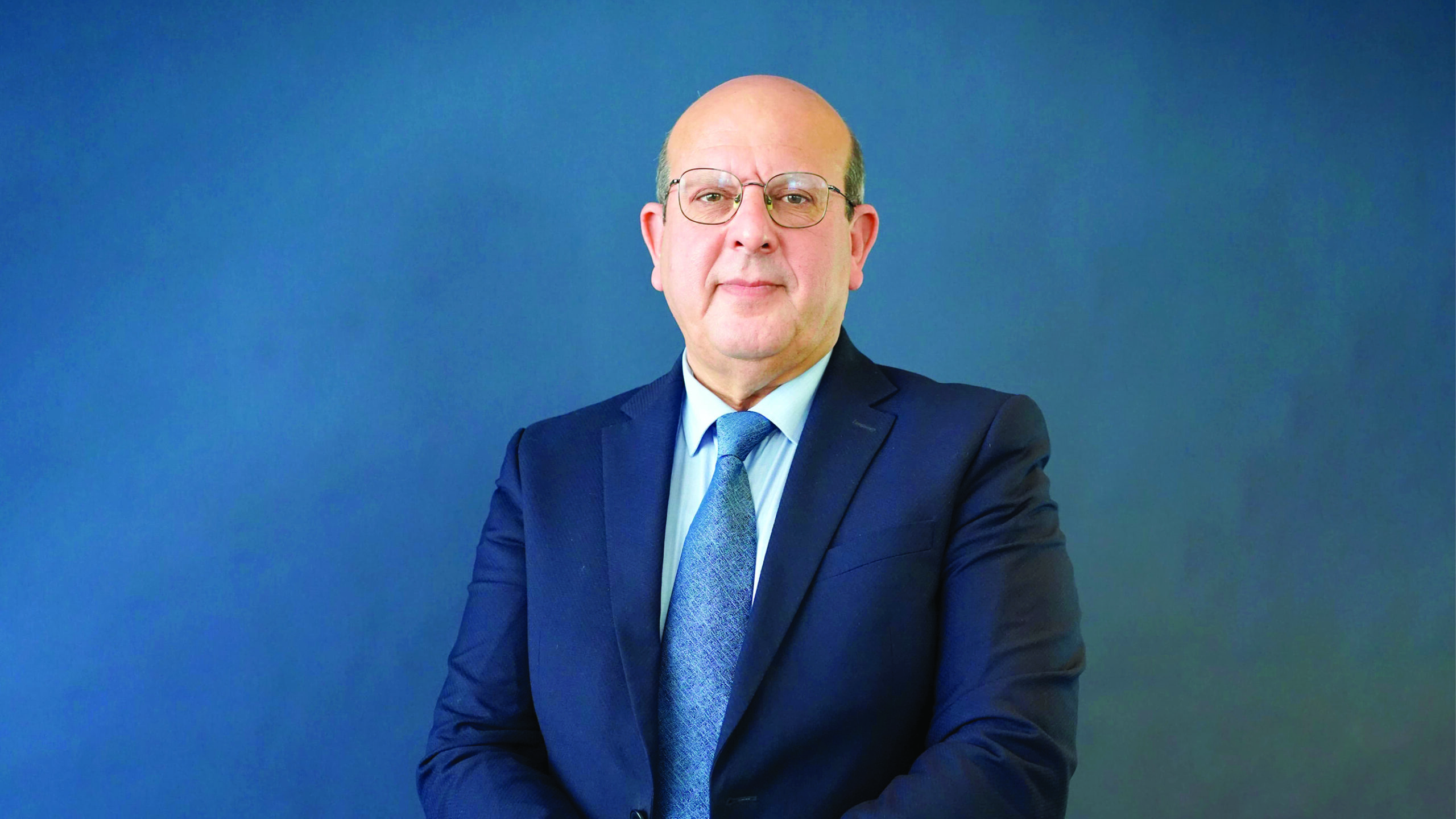
Where do you stand in the rollout of the 2025–2027 Strategic Plan dedicated to persons with disabilities?
The development of the 2025–2027 Strategic Plan is part of an expanded participatory approach that brought together all stakeholders, including government departments, public institutions, territorial actors, and civil society organisations.
This process resulted in the organisation of dozens of meetings, including four regional workshops covering all regions of the Kingdom, thereby creating a genuine platform for dialogue and reflection on the issues facing persons with disabilities.
The Plan, which has now been finalised, is structured around four main pillars: health and social protection; inclusive education and training; professional integration; and accessibility and mobility.
These pillars are translated into 500 operational measures. Its official launch is imminent. It should be noted that several measures are already being implemented, particularly those related to health coverage, improved accessibility, and the strengthening of mobility for persons with disabilities.
What is the status of the nationwide rollout of the disability card?
The granting of the disability card is not an end in itself, but rather part of a comprehensive and structural reform of the disability assessment system.
The main innovation lies in breaking with the former system, which was essentially based on a medical certificate issued by the treating physician. The new system adopts a more comprehensive and multidimensional approach.
It includes, on the one hand, a detailed assessment of the individual’s health status, and on the other, an analysis of social participation through the identification of actual or potential barriers and constraints that hinder full participation in public life.
To ensure the success of this structuring reform, a dedicated digital platform has been developed to receive and process applications.
Its completion rate currently stands at 80%. In parallel, 200 centres (COAPH) are being equipped to carry out the social dimension of the assessment.
From a regulatory perspective, a joint ministerial decree between the Ministry of Solidarity, Social Integration and Family and the Ministry of Health and Social Protection, setting out the criteria for disability assessment, is in the process of being finalised prior to its publication in the Official Gazette.
This initiative is being carried out in strict compliance with the Kingdom’s international commitments, notably the International Convention on the Rights of Persons with Disabilities, ratified by Morocco.
The direct social assistance system provides a specific mechanism for families with a member with a disability. Can you give us an overview of the beneficiaries of this system and its impact?
The direct social assistance scheme is a national social protection programme that forms part of the broader drive to consolidate the social state, a strategic initiative launched by His Majesty King Mohammed VI.
The scheme provides supplementary assistance aimed at specific situations, particularly for children with disabilities.
Since January 2026, the monthly amount of assistance has been set at 400 dirhams per child with a disability and 500 dirhams for orphans who have lost their father.
In addition, more than 27,800 children with disabilities benefit from financial support of around 1,200 dirhams per month under the schooling support programme, in addition to the distribution of assistive devices.
Are there any avenues for improving or strengthening this scheme?
Despite its recent introduction, the direct social assistance system has demonstrated its decisive role in strengthening the resilience of the households concerned in the face of socio‑economic risks and in improving their living conditions.
The government has launched an evaluation process for the scheme in order to optimise its targeting and improve its performance and efficiency.
In this regard, the issuance of the disability card will help enhance the effectiveness of public interventions, improve the living conditions of families in vulnerable situations, and strengthen the economic and social rights of the persons concerned.
What other social safety nets should be deployed to improve the social inclusion of persons with disabilities?
As part of efforts to promote the professional and economic inclusion of persons with disabilities, the Secretariat of State supports income‑generating projects through a programme specifically dedicated to encouraging professional integration and income‑generating activities.
In coordination with the services of the Head of Government’s Office and the Minister Delegate in charge of Digital Transition and Administrative Reform, a unified competitive recruitment examination reserved for persons with disabilities is organised annually.
For the year 2025, 200 budgeted positions were opened, bringing the total number of beneficiaries to 1,450.
The Secretariat of State also ensures the enforcement of the 7% quota of budgeted positions reserved each year for persons with disabilities within public administrations.
The role of the private sector remains crucial. Its engagement can significantly contribute to expanding employment opportunities, strengthening corporate social responsibility, and valuing the skills of persons with disabilities (PWDs).
In this regard, thanks to an agreement signed between the supervising ministry and distribution companies, more than 50 people with autism spectrum conditions have already been recruited.
The objective is to establish a public–private partnership for the professional integration of persons with disabilities, in accordance with the provisions of Law No. 13.97 on the rights of persons with disabilities.
The third national survey on persons with disabilities was launched recently. What approach does it follow?
The last national disability survey dates back to 2014. The newly launched survey responds to the need to update data and is part of a strategic and normative framework aligned with the Kingdom’s international commitments and national orientations in terms of social and territorial justice.
It notably complies with the requirements of Article 31 of the International Convention on the Rights of Persons with Disabilities, as well as the provisions of Framework Law No. 97.13 on the protection and promotion of the rights of persons with disabilities.
The survey aims to measure the prevalence rate of disability at national and regional levels; to identify the quantitative and qualitative dimensions of disability situations; to assess access to healthcare, education, employment, and other essential services; and finally, to identify the needs and expectations of the persons concerned in order to adjust public policies accordingly.
It is based on a formalised institutional partnership between the Ministry of Solidarity, Social Integration and Family, the Secretariat of State in charge of Social Integration, the High Commission for Planning, the National Observatory for Human Development, and the United Nations Population Fund (UNFPA).
And what are its objectives?
By adopting a multidimensional approach, this survey constitutes a strategic decision‑making support tool.
The data produced will help improve the planning, monitoring, and evaluation of public policies, strengthen the targeting of social programmes, and promote equal opportunities.
The objective is not only to establish a national disability map, but also to produce detailed regional maps.
These reference frameworks will guide the development of public policies and programmes, while also serving as a basis for the effective integration of the disability dimension into regional development plans and integrated territorial programmes.
Finally, the survey is grounded in a human‑rights‑based approach, upholding the principle of leaving no one behind and placing the dignity of persons with disabilities at the heart of public action.