International
South Africa’s G20 Leadership: A New Era for Emerging Economies
South Africa’s G20 Presidency, which began on December 1, 2024, focuses on promoting solidarity, equality, and sustainability while representing the interests of emerging economies, particularly from Africa. It aims to enhance global cooperation and address critical issues such as sustainable development financing and inclusivity in economic governance.

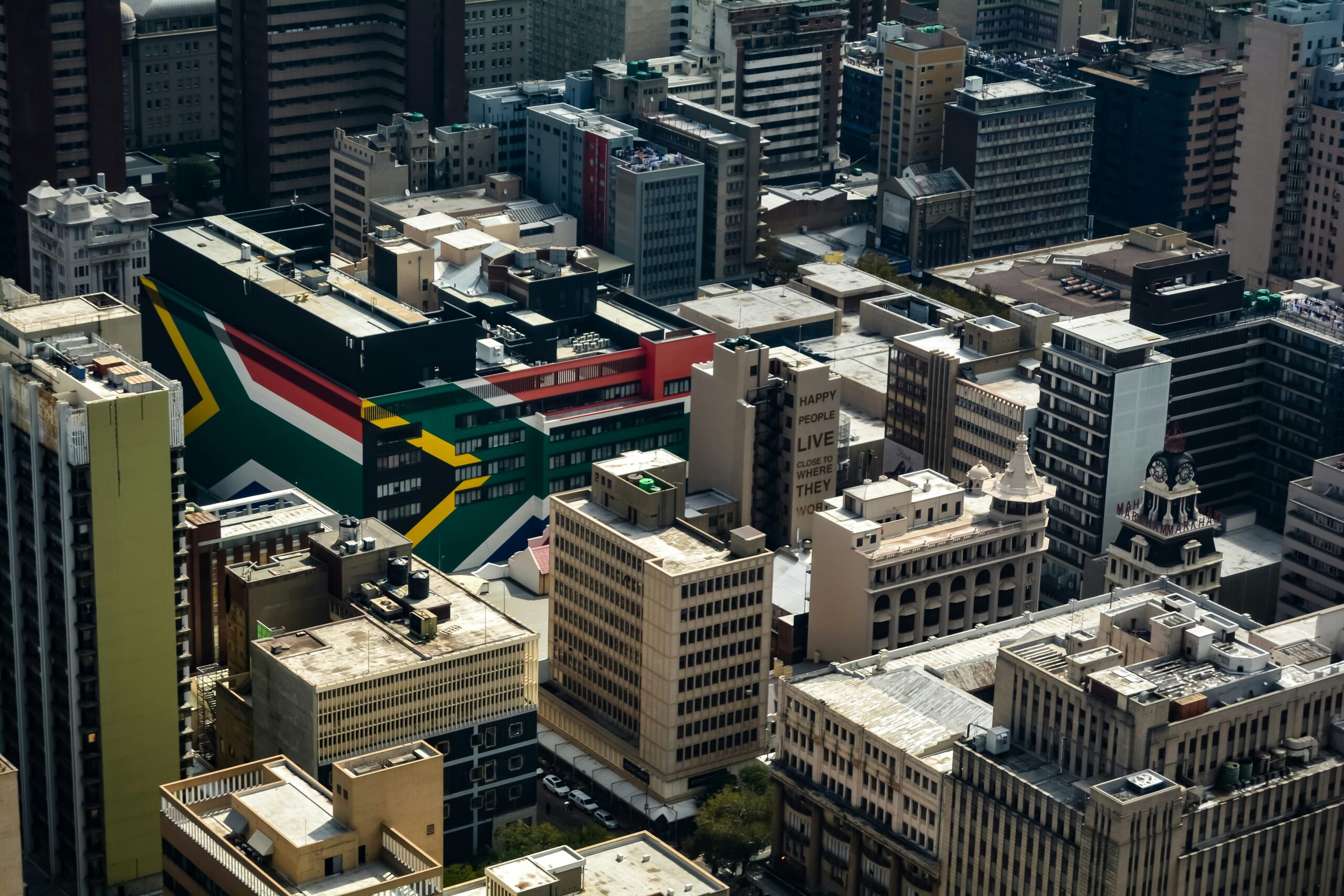
South Africa took over the G20 Presidency from Brazil on December 1, 2024, marking a significant moment as it became the first African nation to host this influential gathering and the fifth BRICS member to do so. This leadership comes at a time when multilateralism faces severe challenges, with a declining U.S. influence affecting the established global order. Despite these uncertainties, the G20 remains a critical forum, representing approximately 85% of global GDP, over 75% of trade, and two-thirds of the world’s population. South Africa’s presidency builds on the successes of previous G20 presidencies led by emerging economies, emphasizing the theme of “Solidarity, Equality, Sustainability.” Under the spirit of Ubuntu, South Africa aims to offer a platform for emerging economies, especially those in Africa, to voice their aspirations and foster inclusive development strategies.
During its presidency, South Africa has invited several countries and global organizations, showcasing a commitment to collective leadership in a complex geopolitical landscape characterized by low economic growth, high debt levels, and increasing nationalism. The G20 serves as a vital opportunity for South Africa to advocate for the interests of developing economies, focusing on sustainable development financing and revitalizing multilateral cooperation. The inclusion of the African Union as a full member strengthens Africa’s representation within global economic governance and amplifies its development priorities on the G20 agenda.
Key objectives include assessing the G20’s achievements over its twenty-year history and investigating barriers to capital access for low- and middle-income countries. South Africa intends to expand the G20 Compact with Africa initiative to mobilize investments and strengthen the continent’s economic framework. Additionally, South Africa’s G20 Presidency has received wide support from the global community, emphasizing the need for consensus on critical topics such as diversity, climate change, and global health. The presidency aims to create a more equitable global order before handing over to the United States for the 2026 G20 Summit.
SOURCE: THE NATION